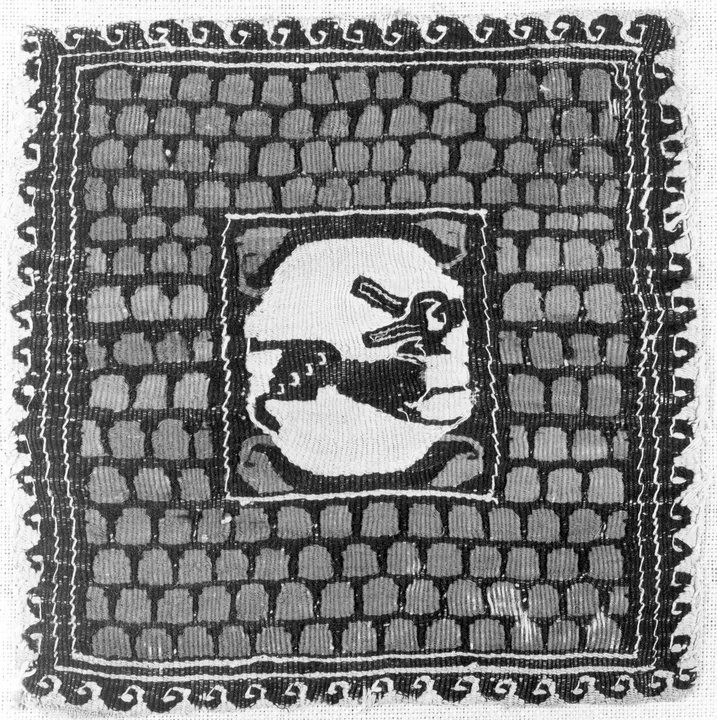
Hare in roundel
« Hare in roundel » — scheda di The Walters Art Museum.


Collezioni aperte
Creature mitiche a inchiostro: forza, natura e immaginazione.
Illustrazione della galleria virtuale
Sul capitolo
In diverse culture ed epoche, le immagini hanno dato forma all’invisibile. Il capitolo osserva come gli artisti ricorrono ad animali, paesaggi e creature mitiche per esprimere idee e interpretare il mondo.
Prosegui la visita
« Hare in roundel » — scheda di The Walters Art Museum.
« Tunic with Felines » — scheda di The Metropolitan Museum of Art.
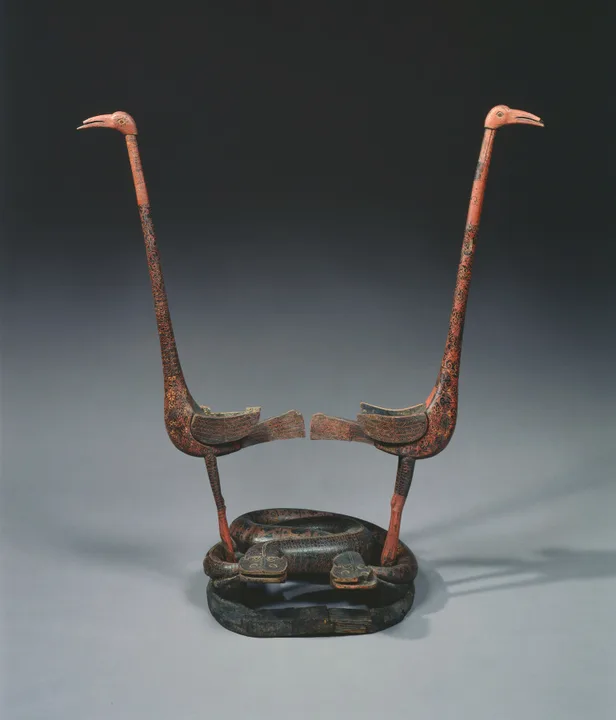
« Cranes and Serpents » — scheda di The Cleveland Museum of Art.
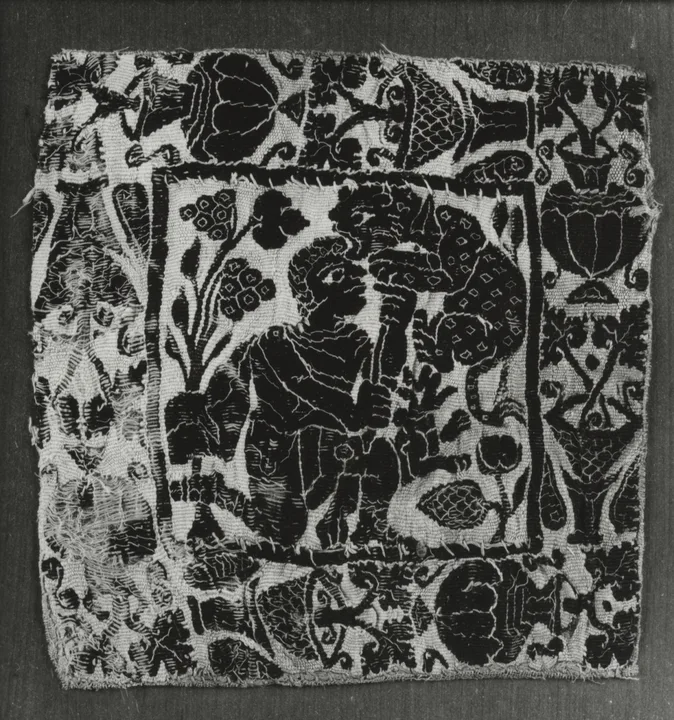
« Garment Decoration ("Segmentum") with Man Killing Panther » — scheda di The Walters Art Museum.
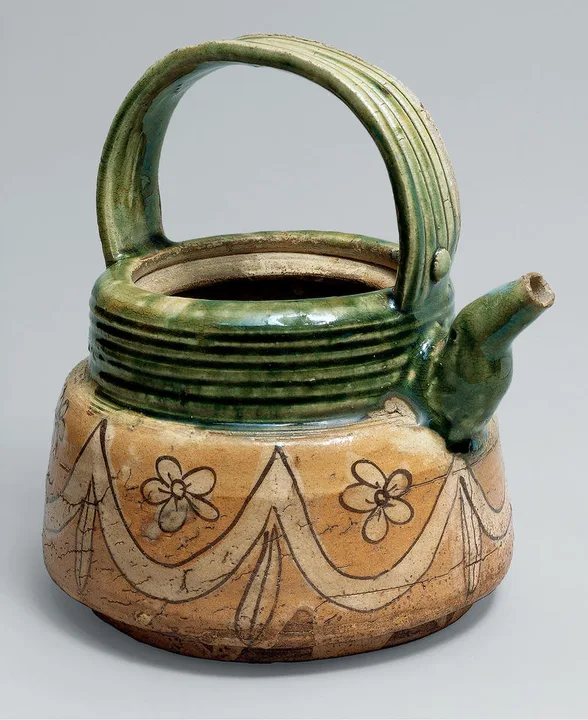
Una brocca giapponese di Mino in gres smaltato, decorata con fiori di ciliegio.
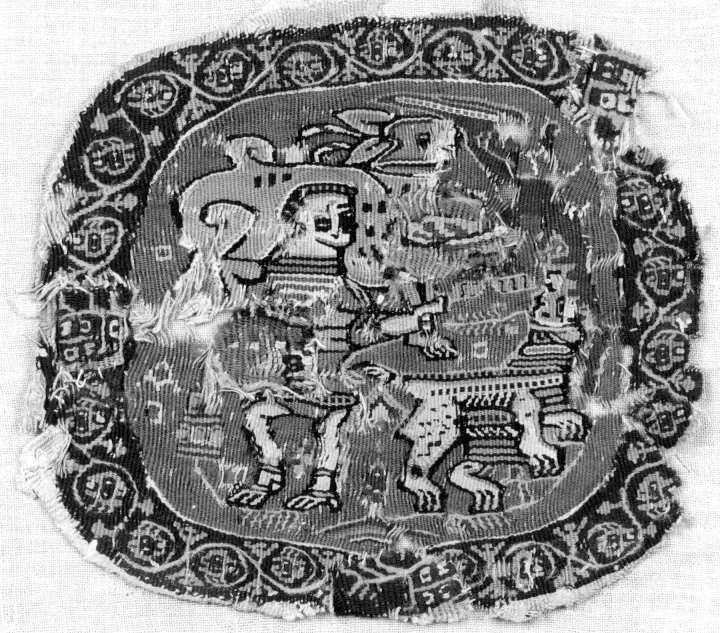
« The Lost Sheep (?) » — scheda di The Walters Art Museum.
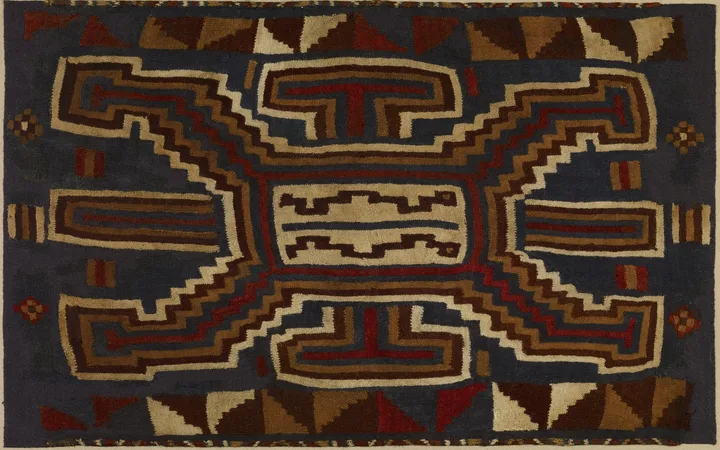
« Panel » — scheda di The Walters Art Museum.
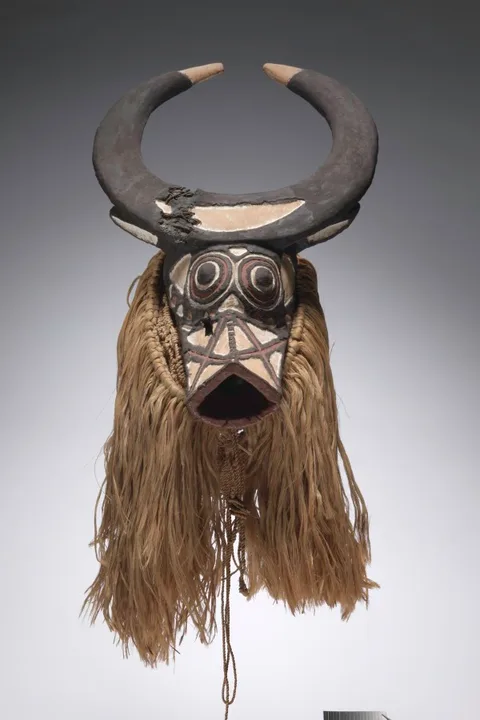
« Buffalo Mask » — scheda di The Cleveland Museum of Art.
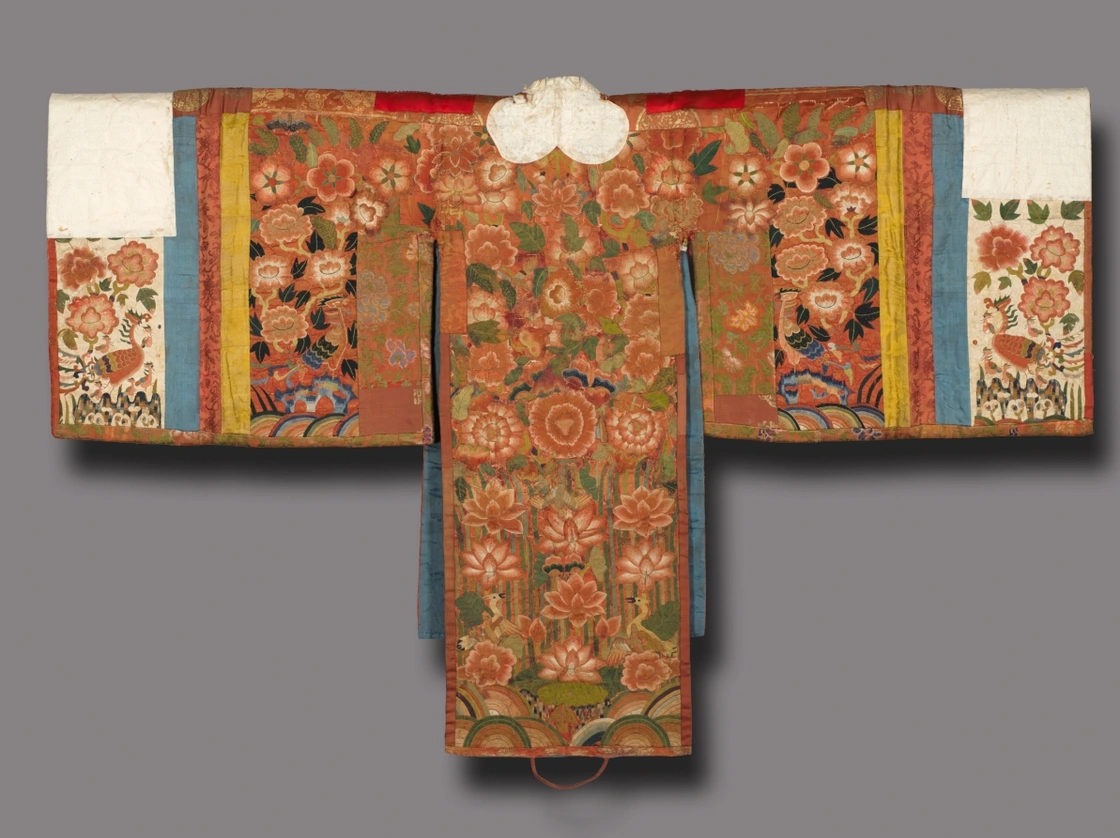
Una veste nuziale coreana in seta, ricamata con fiori, uccelli e simboli di buon auspicio.
Percorso della mostra
Galleria 01
60 opere
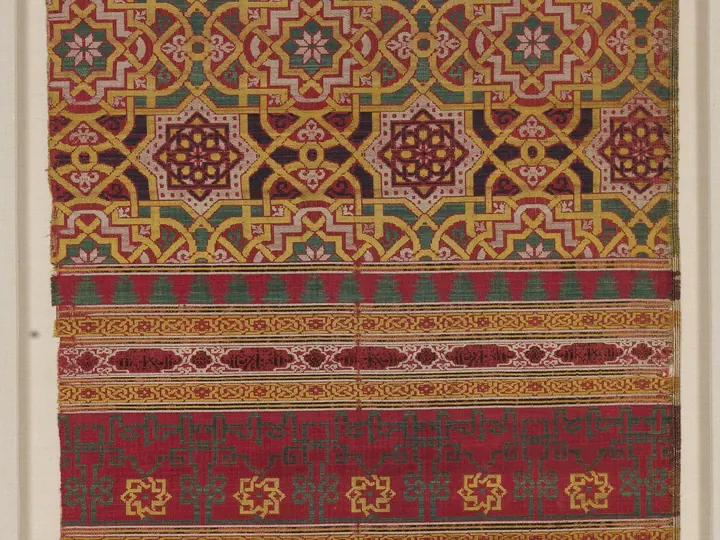
14th century
The Metropolitan Museum of Art
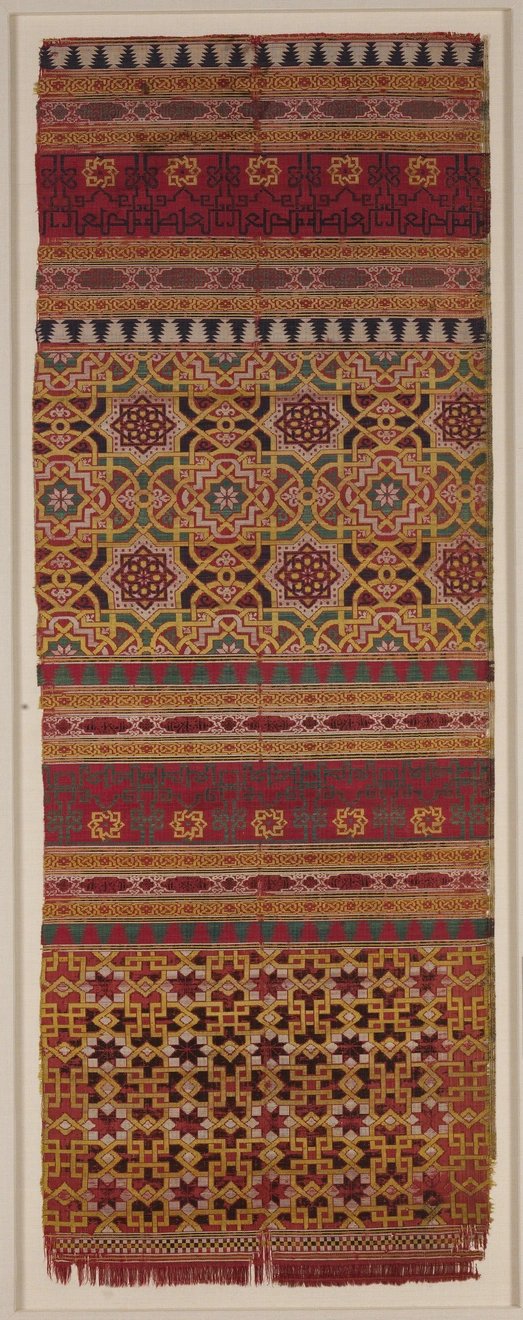
« Textile Fragment » — scheda di The Metropolitan Museum of Art.
Vedi l’oggetto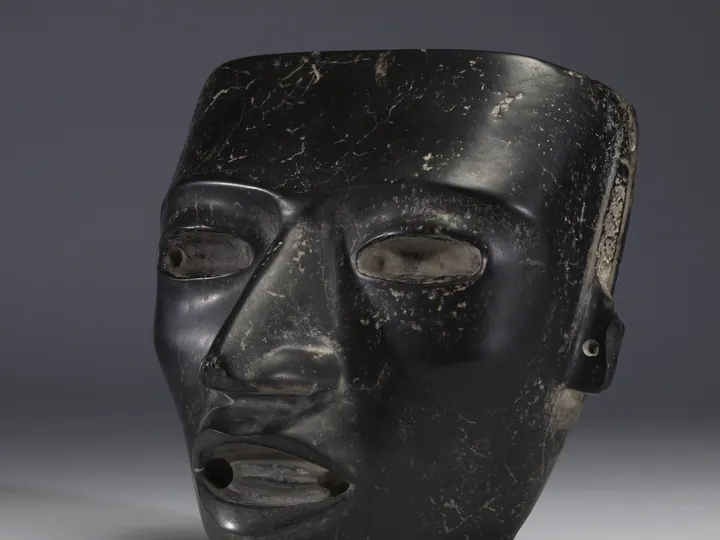
AD 250-600 (Early Classic)
The Walters Art Museum
« Face Plaque » — scheda di The Walters Art Museum.
Vedi l’oggetto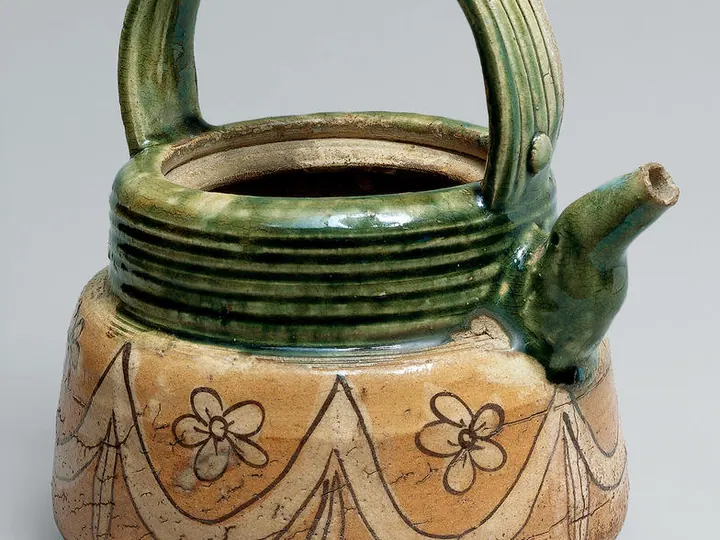
Early 17th century
The Metropolitan Museum of Art
« Stoneware Ewer » — scheda di The Metropolitan Museum of Art.
Vedi l’oggetto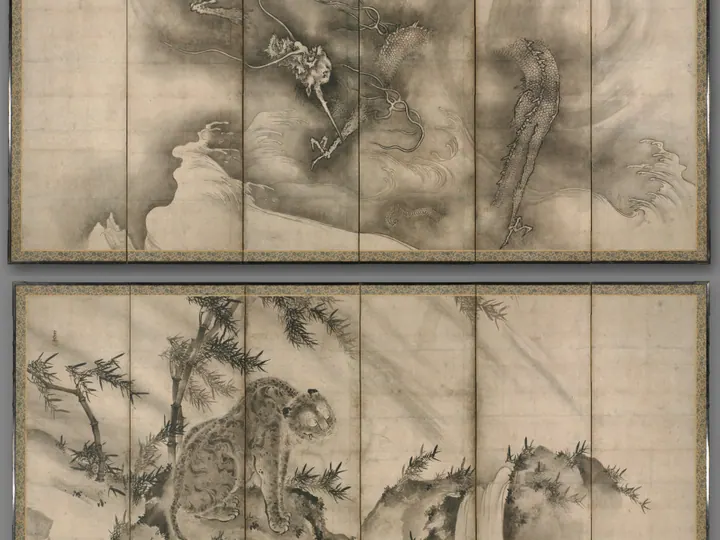
c. 1546–56
The Cleveland Museum of Art
« Dragon and Tiger » — scheda di The Cleveland Museum of Art.
Vedi l’oggetto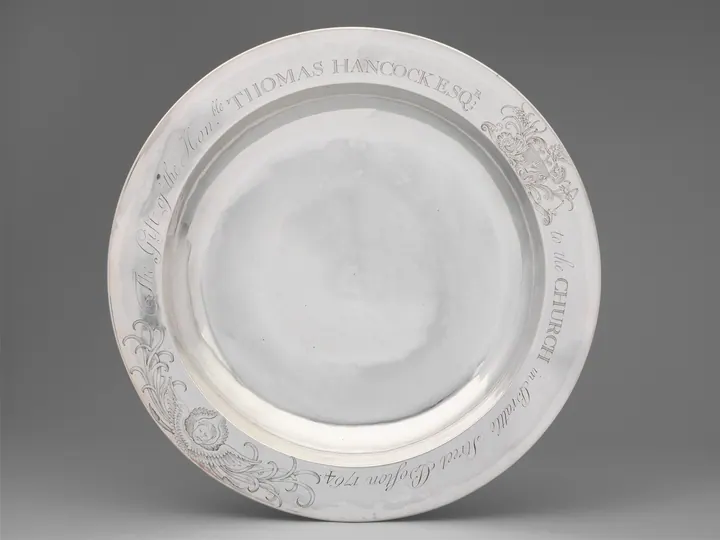
1672–1673
The Metropolitan Museum of Art
« Communion Dish » — scheda di The Metropolitan Museum of Art.
Vedi l’oggetto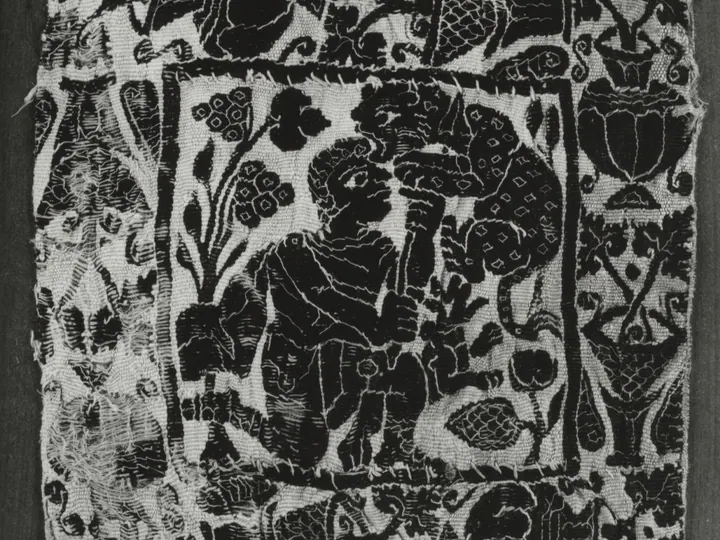
4th-5th century (Early Byzantine)
The Walters Art Museum
« Garment Decoration ("Segmentum") with Man Killing Panther » — scheda di The Walters Art Museum.
Vedi l’oggetto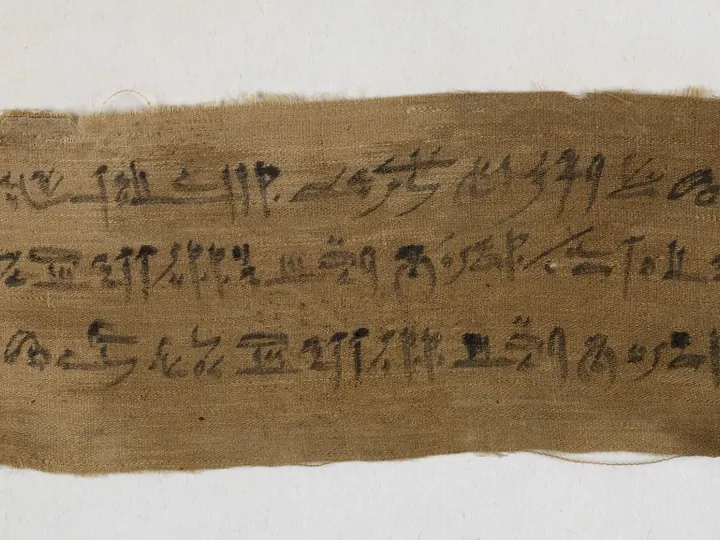
ca. 399-343 BCE (Late Period, 29th-30th dynasty)
The Walters Art Museum
« Mummification Bandage of Userwer » — scheda di The Walters Art Museum.
Vedi l’oggetto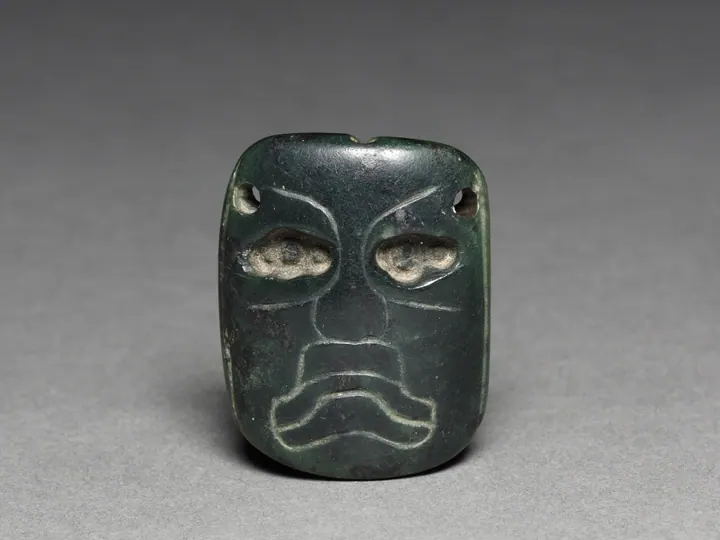
1200–300 a.C.
The Cleveland Museum of Art
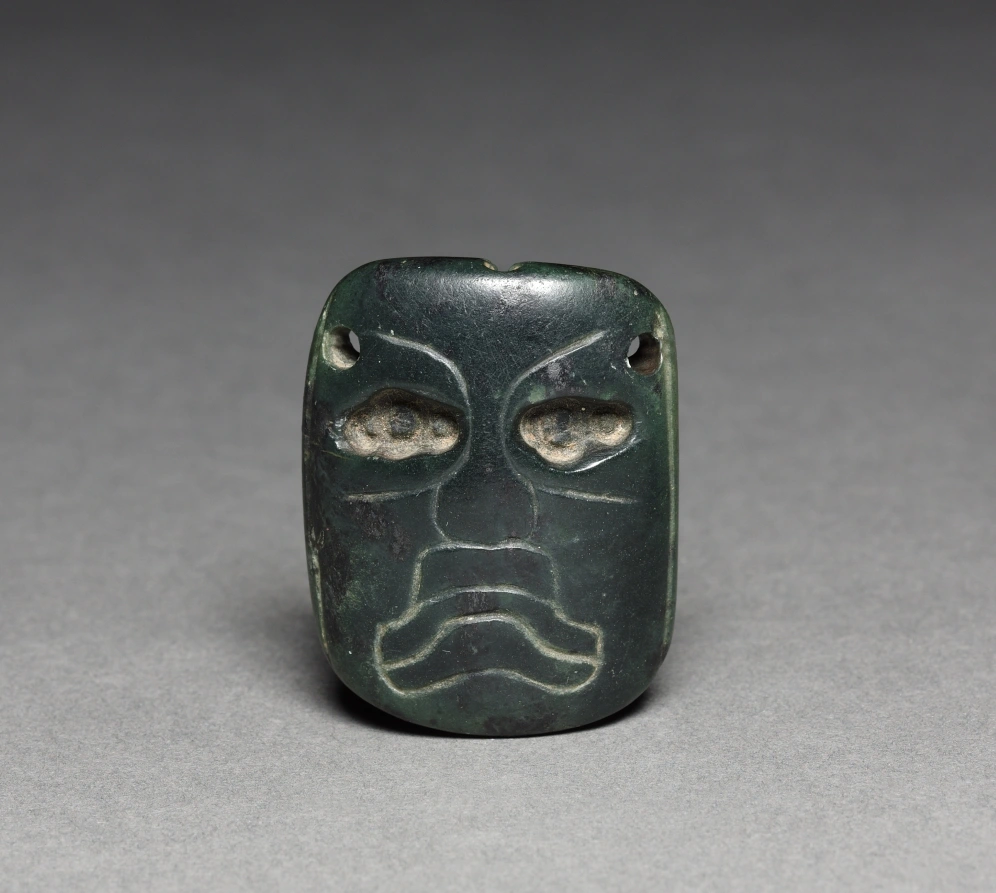
Una maschera olmeca della Mesoamerica (Messico), scolpita nella giada.
Vedi l’oggetto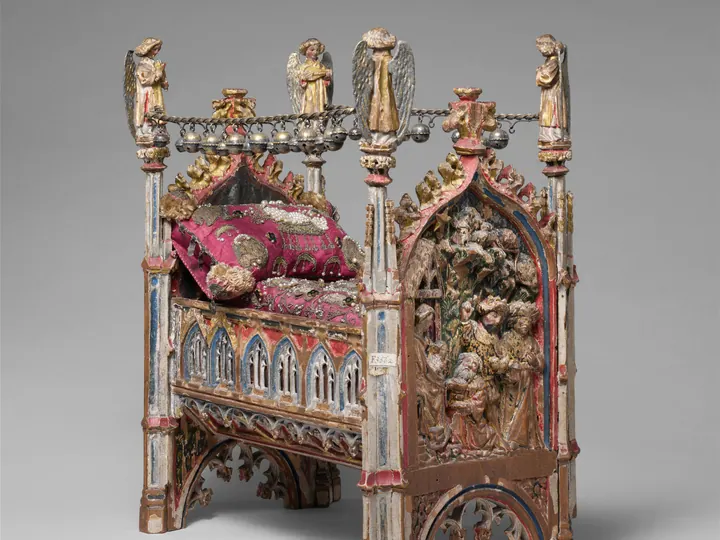
15th century
The Metropolitan Museum of Art
« Crib of the Infant Jesus » — scheda di The Metropolitan Museum of Art.
Vedi l’oggetto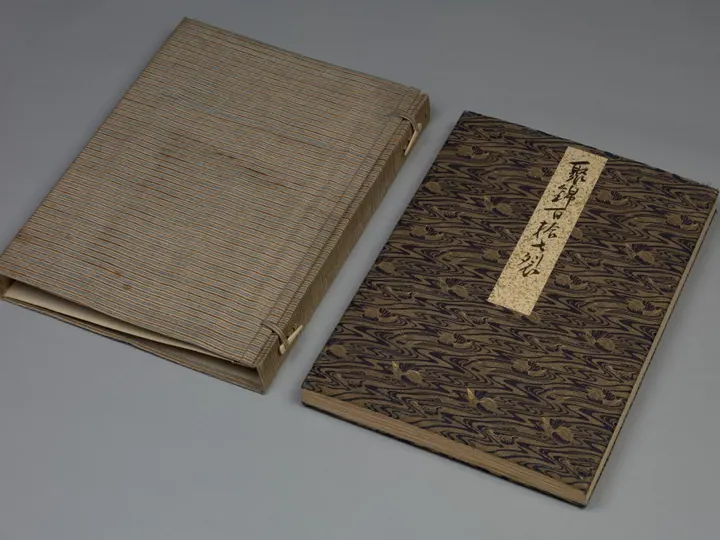
1790
The Cleveland Museum of Art
« Album of Textile Samples » — scheda di The Cleveland Museum of Art.
Vedi l’oggetto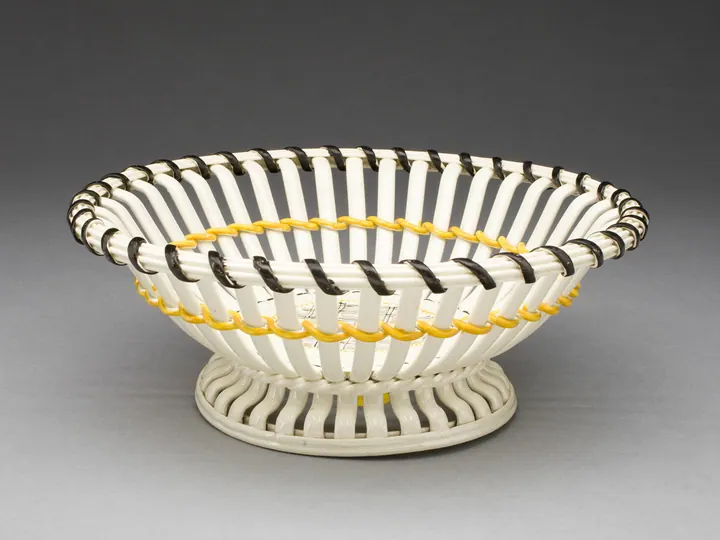
19th century
The Art Institute of Chicago
« Basket » — scheda di The Art Institute of Chicago.
Vedi l’oggetto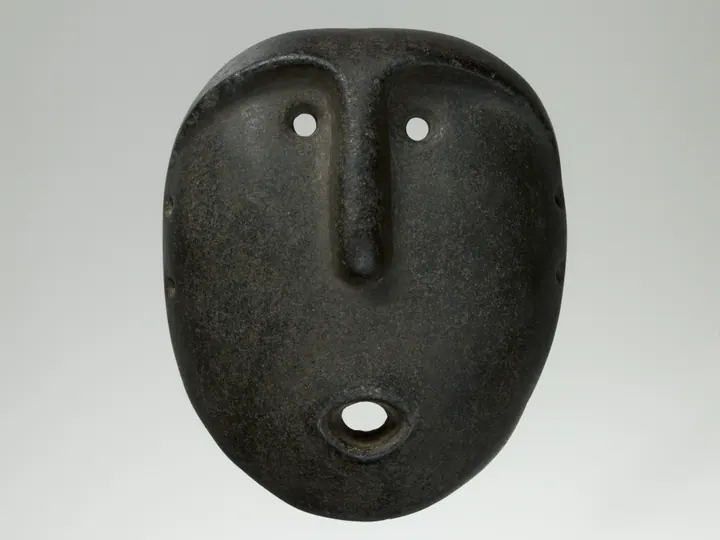
400 BCE–500 CE
The Metropolitan Museum of Art
« Stone Mask » — scheda di The Metropolitan Museum of Art.
Vedi l’oggetto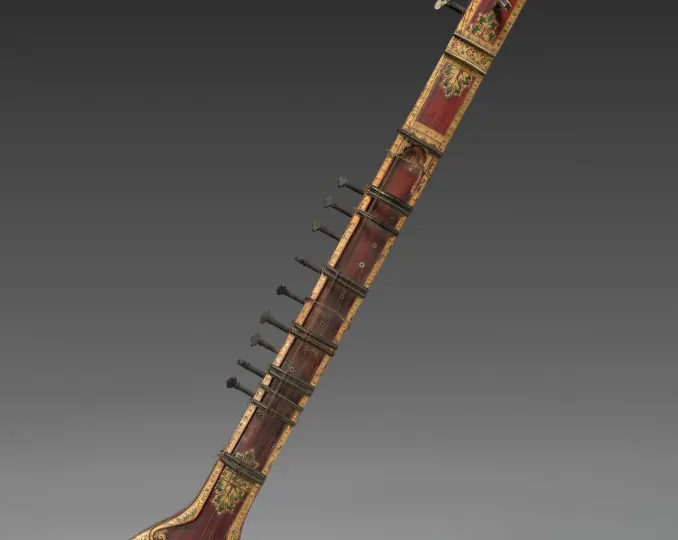
c. 1850
The Cleveland Museum of Art
« Sitar » — scheda di The Cleveland Museum of Art.
Vedi l’oggetto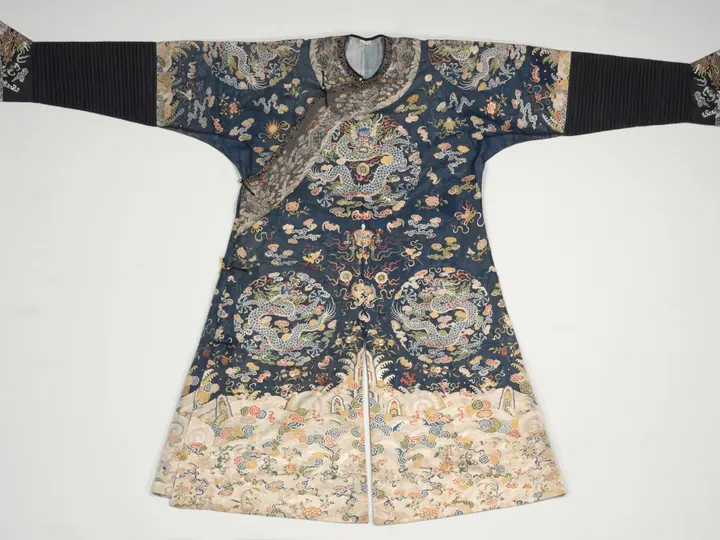
late 18th to early 19th century
The Cleveland Museum of Art
« Mandarin Robe » — scheda di The Cleveland Museum of Art.
Vedi l’oggetto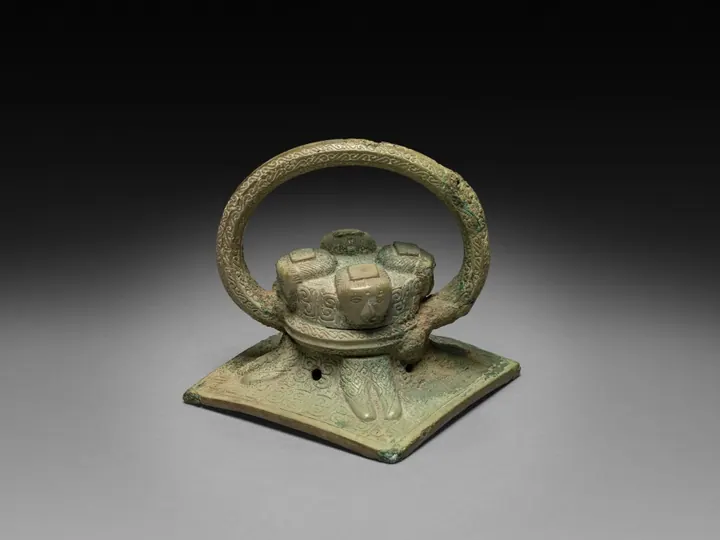
c. 770-475 BCE
The Cleveland Museum of Art
« Handle of a Jiangu Drum » — scheda di The Cleveland Museum of Art.
Vedi l’oggetto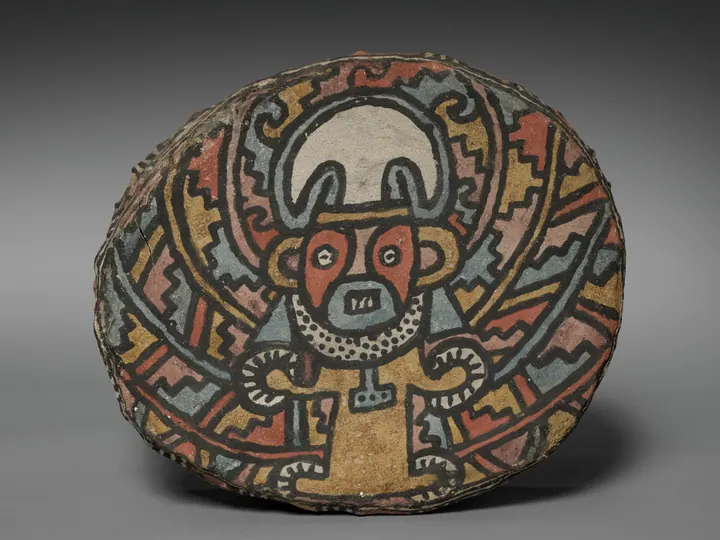
500-1000 CE
The Cleveland Museum of Art
« Painted Drum » — scheda di The Cleveland Museum of Art.
Vedi l’oggetto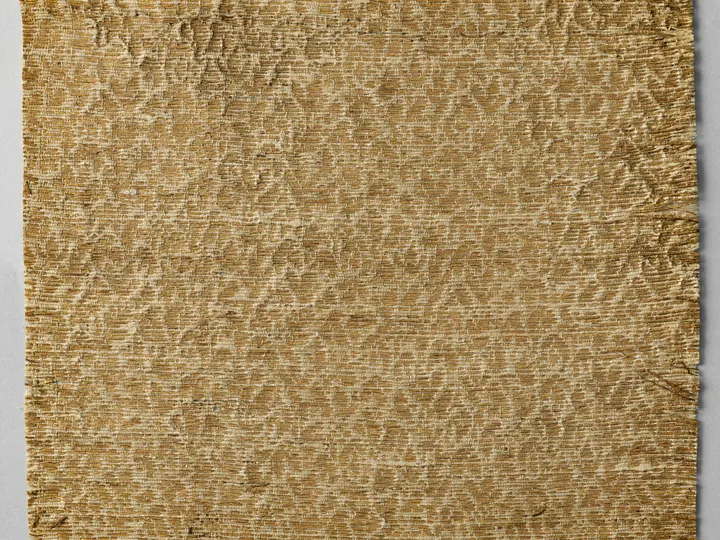
1275–1350
The Cleveland Museum of Art
« Textile with Tiny Leaves » — scheda di The Cleveland Museum of Art.
Vedi l’oggetto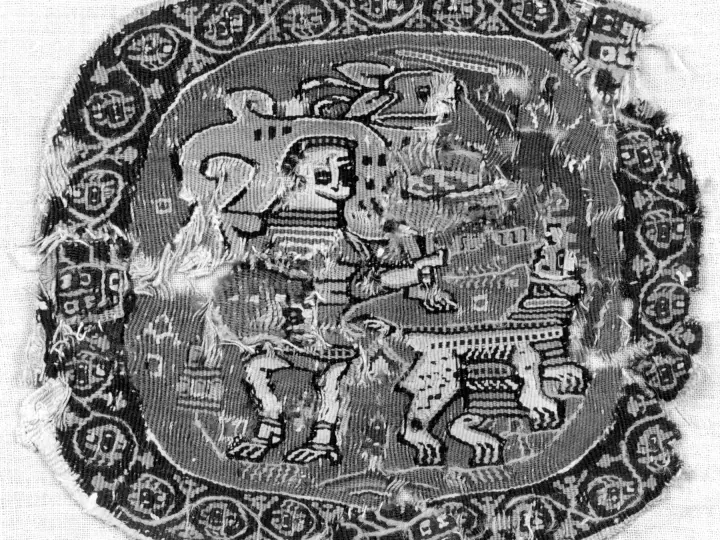
5th–8th century (Late Antique)
The Walters Art Museum
« The Lost Sheep (?) » — scheda di The Walters Art Museum.
Vedi l’oggetto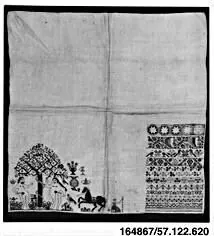
18th century
The Metropolitan Museum of Art
« Sampler » — scheda di The Metropolitan Museum of Art.
Vedi l’oggetto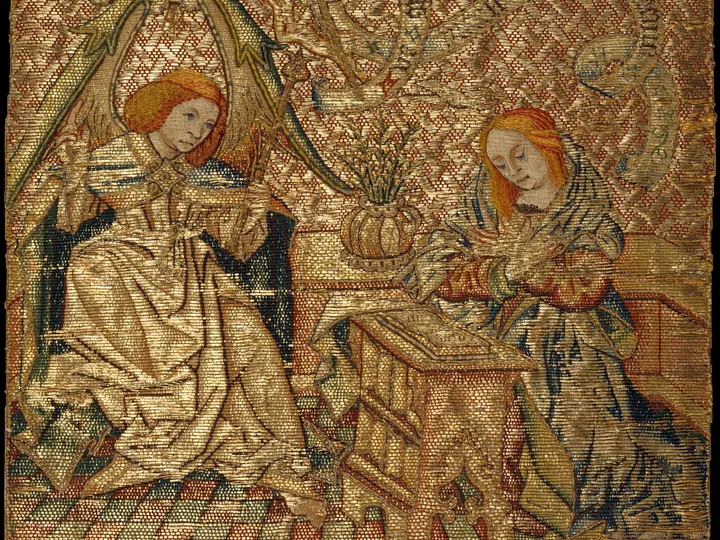
mid-15th century
The Metropolitan Museum of Art
« Embroidery with the Annunciation » — scheda di The Metropolitan Museum of Art.
Vedi l’oggetto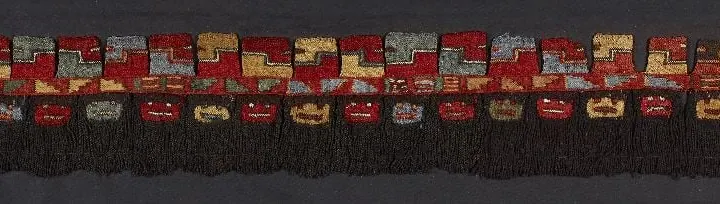
100-200 CE
The Walters Art Museum
« Tunic Border Piece » — scheda di The Walters Art Museum.
Vedi l’oggetto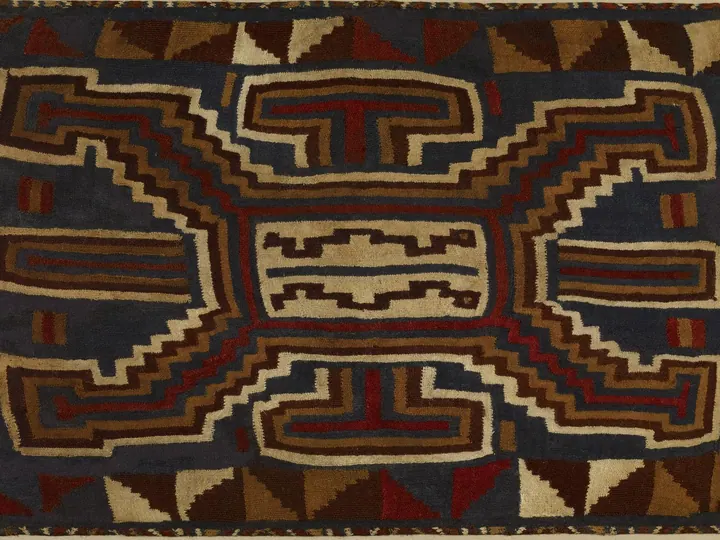
100 BCE-300 CE
The Walters Art Museum
« Panel » — scheda di The Walters Art Museum.
Vedi l’oggetto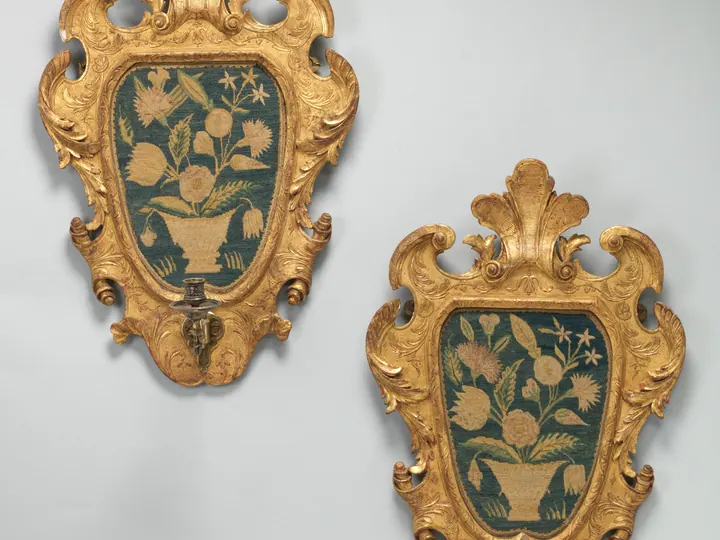
ca. 1720
The Metropolitan Museum of Art
« Sconce (one of a pair) » — scheda di The Metropolitan Museum of Art.
Vedi l’oggetto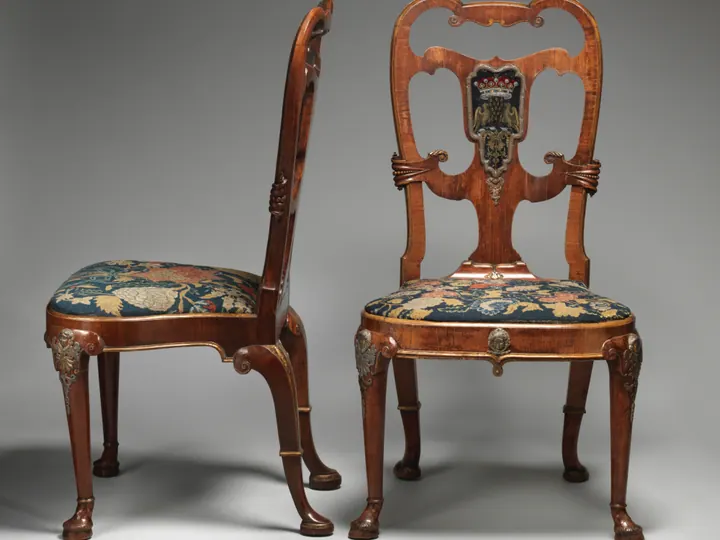
ca. 1724–36
The Metropolitan Museum of Art
« Pair of side chairs » — scheda di The Metropolitan Museum of Art.
Vedi l’oggetto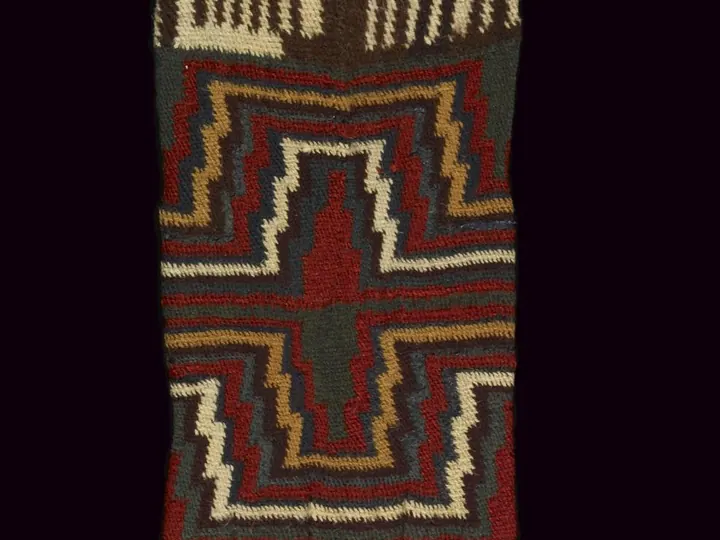
100 BCE-300 CE
The Walters Art Museum
« Carrying Bag » — scheda di The Walters Art Museum.
Vedi l’oggetto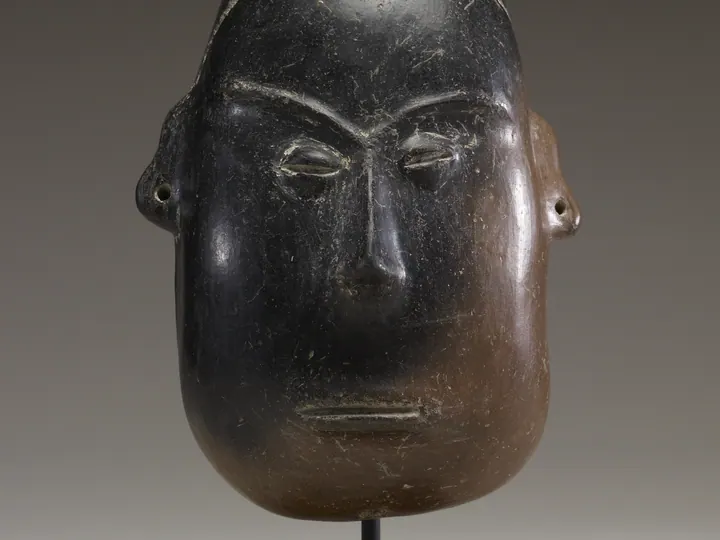
300 BC-AD 300 (Late Pre-Classic)
The Walters Art Museum
« Face Mask » — scheda di The Walters Art Museum.
Vedi l’oggetto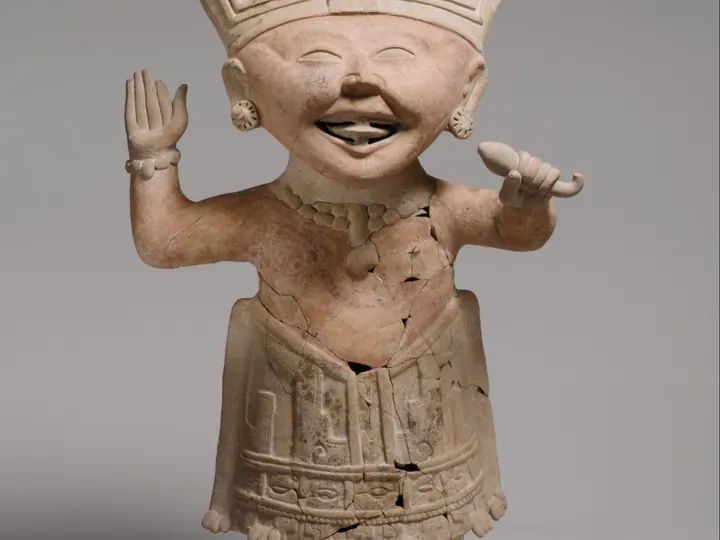
600–1000 CE
The Metropolitan Museum of Art
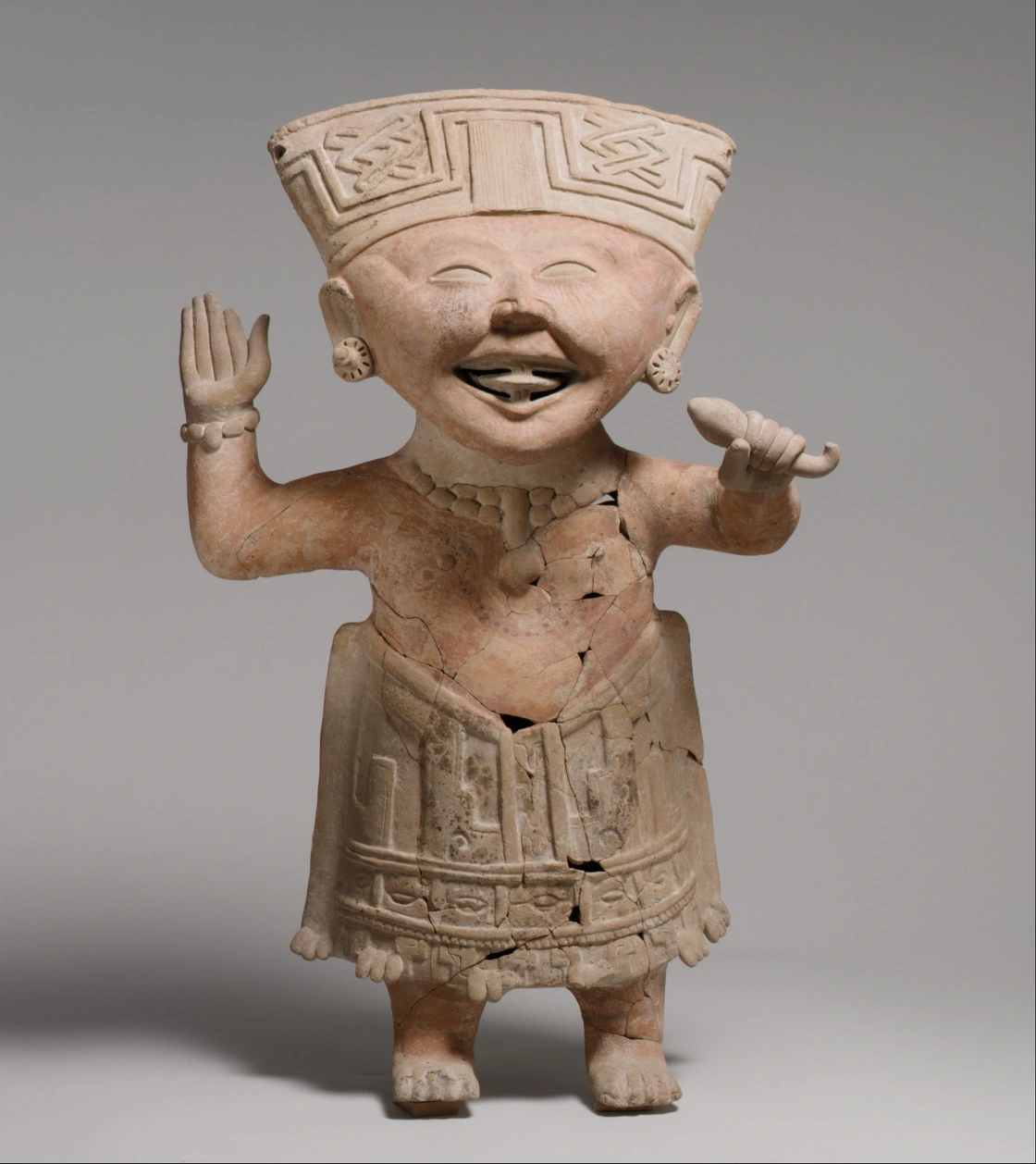
« Smiling figure (Sonriente) » — scheda di The Metropolitan Museum of Art.
Vedi l’oggetto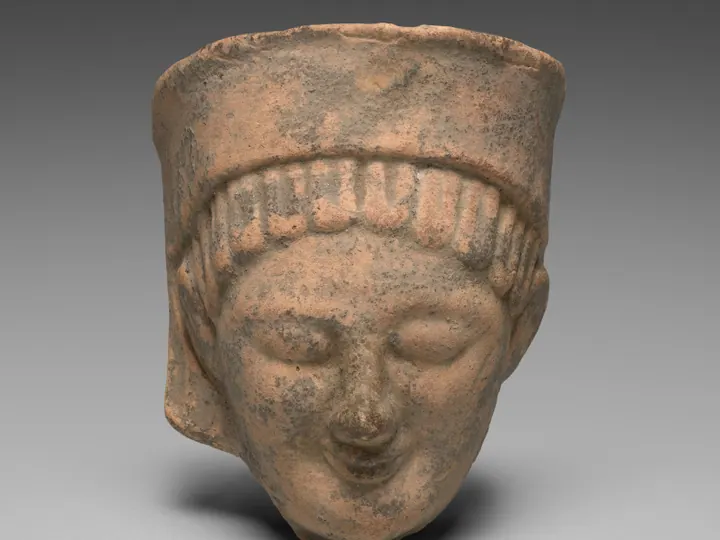
550 BCE
The Cleveland Museum of Art
« Mask » — scheda di The Cleveland Museum of Art.
Vedi l’oggetto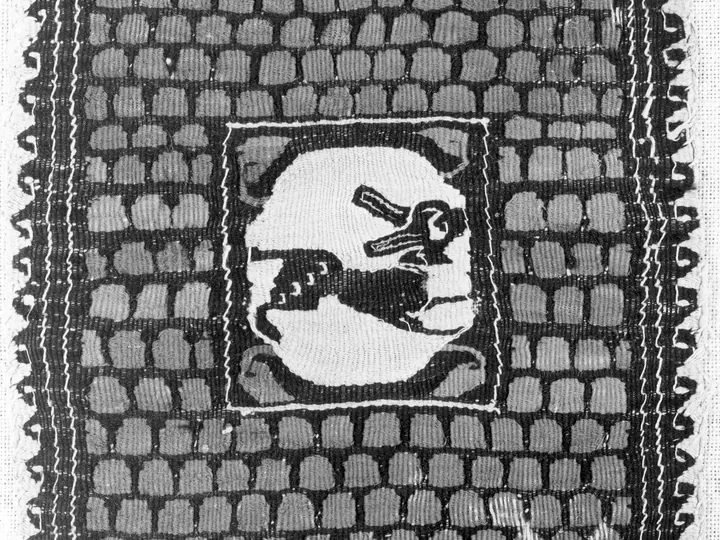
5th–6th century
The Walters Art Museum
« Hare in roundel » — scheda di The Walters Art Museum.
Vedi l’oggetto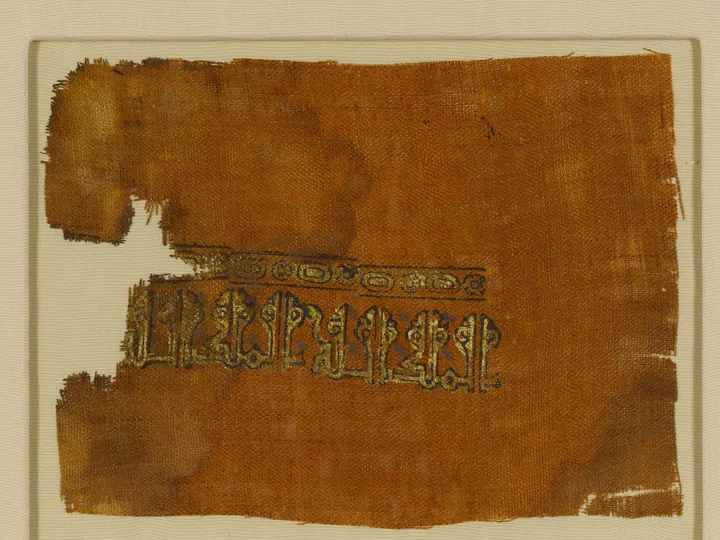
10th–11th century
The Metropolitan Museum of Art
« Textile » — scheda di The Metropolitan Museum of Art.
Vedi l’oggetto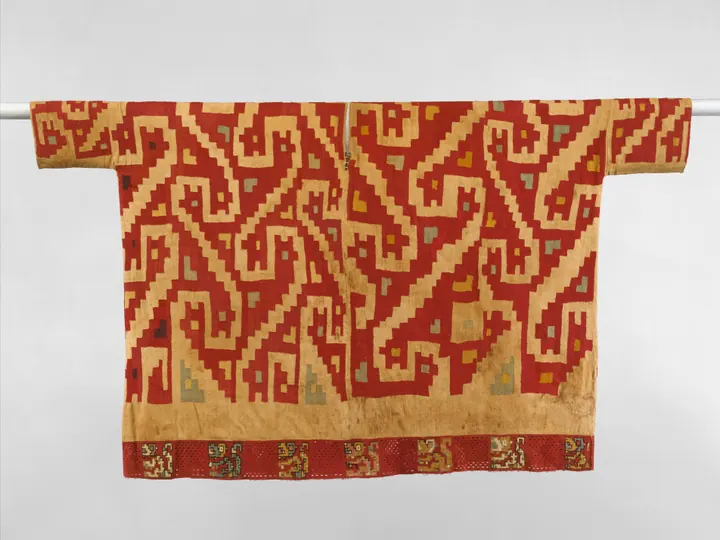
500–850 CE
The Metropolitan Museum of Art
« Moche Shirt » — scheda di The Metropolitan Museum of Art.
Vedi l’oggetto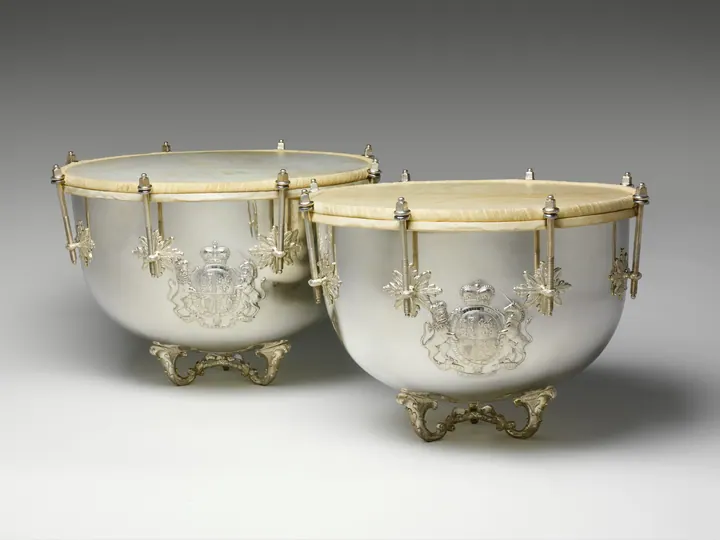
1780
The Metropolitan Museum of Art
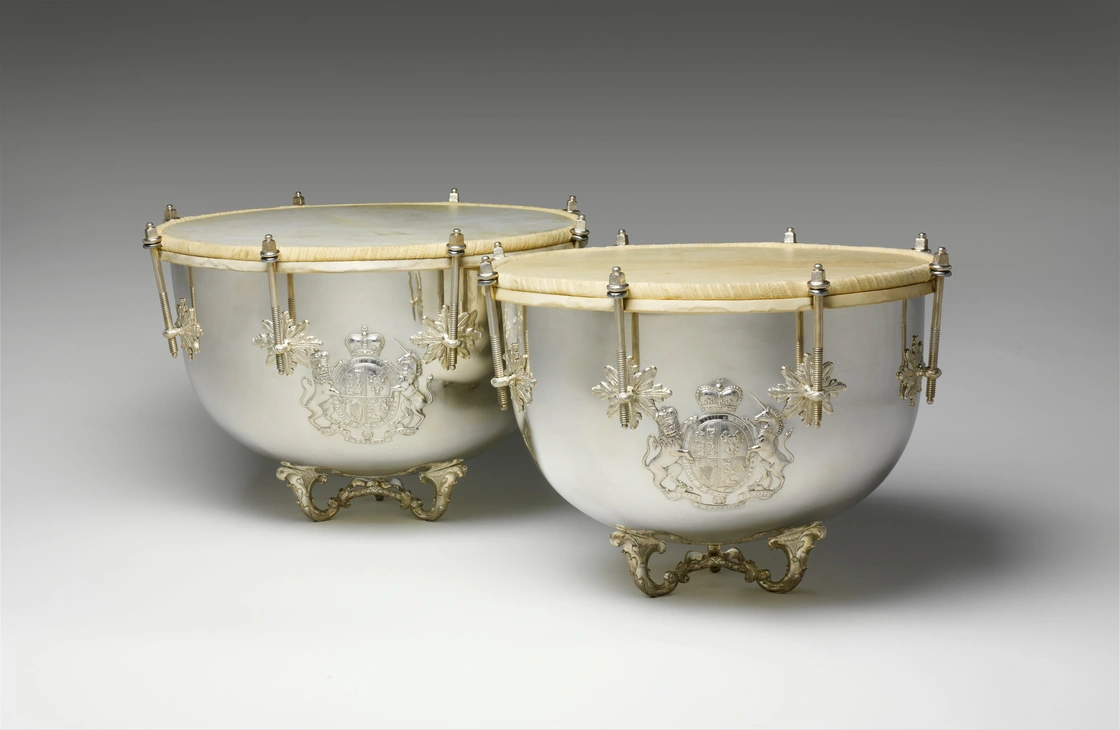
Una coppia di timpani in argento realizzata ad Hannover da Franz Peter Bundsen nel 1780.
Vedi l’oggetto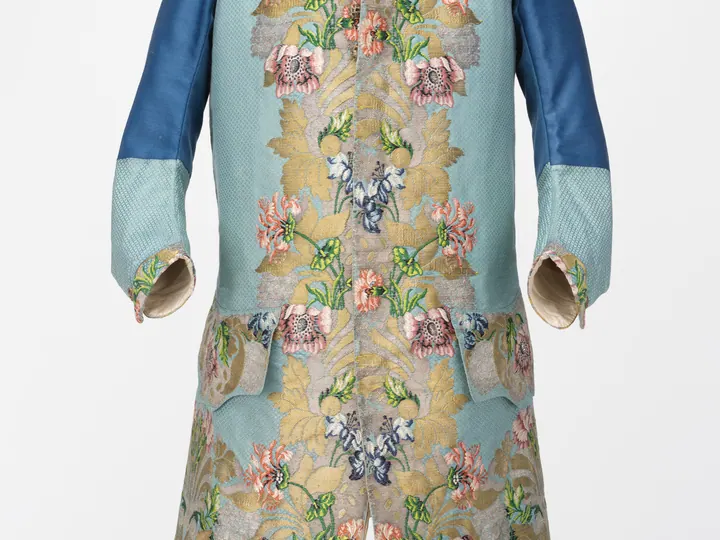
1747
The Metropolitan Museum of Art
« Waistcoat » — scheda di The Metropolitan Museum of Art.
Vedi l’oggetto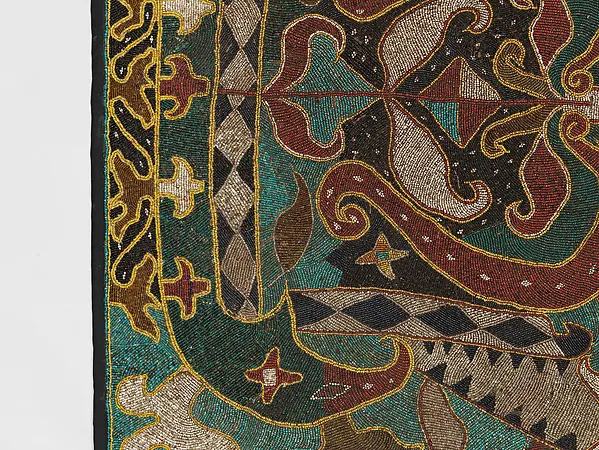
1450–1550
The Metropolitan Museum of Art
« Tunic with Felines » — scheda di The Metropolitan Museum of Art.
Vedi l’oggetto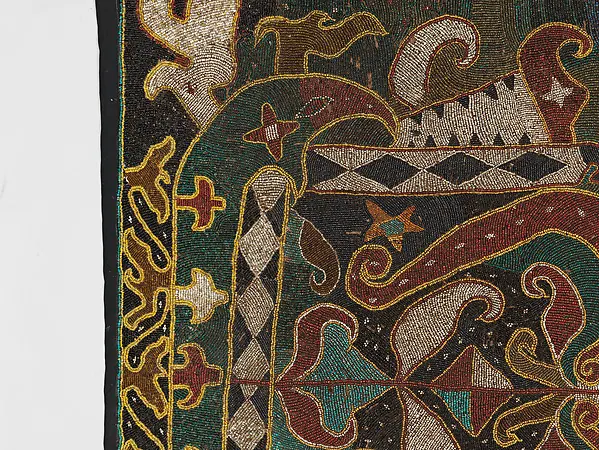
650–1000 CE
The Metropolitan Museum of Art
« Wari Tunic » — scheda di The Metropolitan Museum of Art.
Vedi l’oggetto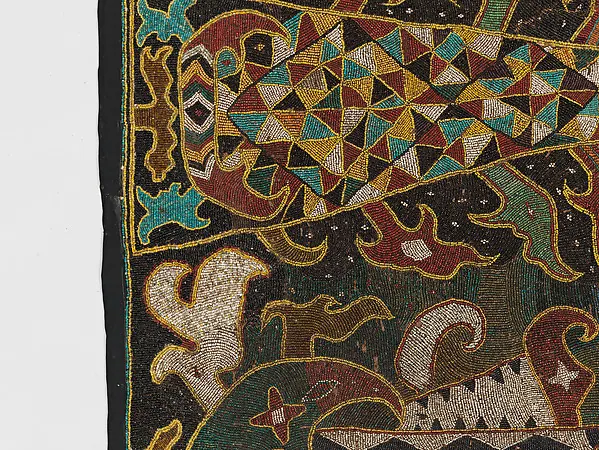
1600–1700
The Metropolitan Museum of Art
« Miniature Tabard » — scheda di The Metropolitan Museum of Art.
Vedi l’oggetto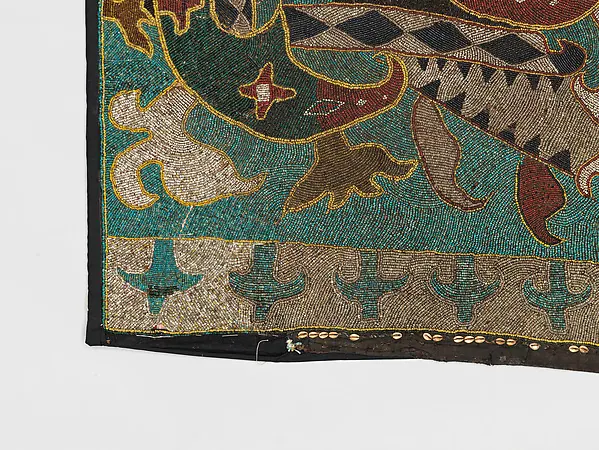
7th–9th century
The Metropolitan Museum of Art
« Wari Tunic Fragment » — scheda di The Metropolitan Museum of Art.
Vedi l’oggetto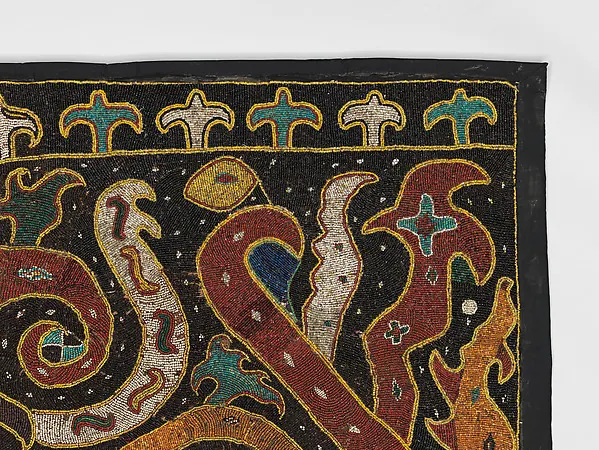
650–1000 CE
The Metropolitan Museum of Art
« Wari Tunic Fragment » — scheda di The Metropolitan Museum of Art.
Vedi l’oggetto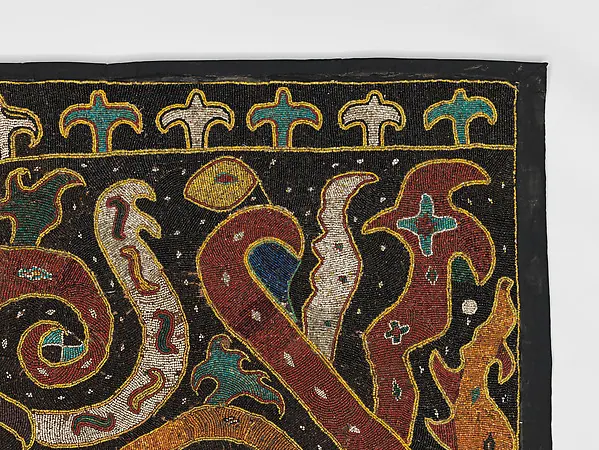
ca. 1900
The Metropolitan Museum of Art
« Buffalo Mask » — scheda di The Metropolitan Museum of Art.
Vedi l’oggetto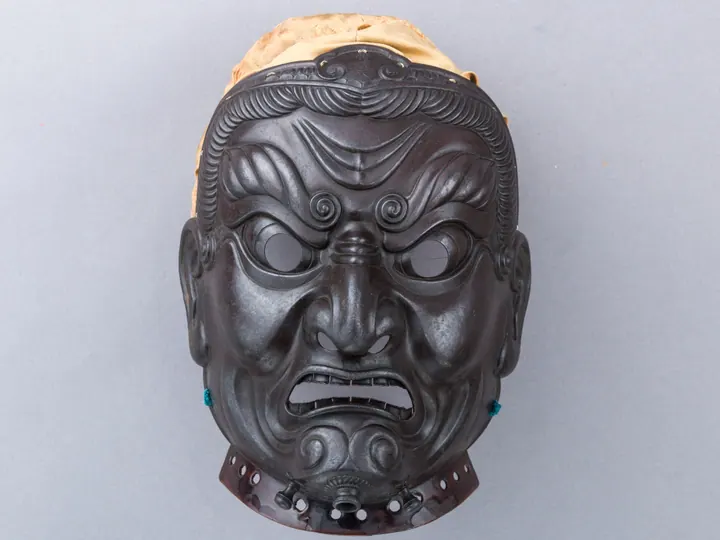
Edo period, dated 1745
The Metropolitan Museum of Art
« Armor Mask (Mempo) » — scheda di The Metropolitan Museum of Art.
Vedi l’oggetto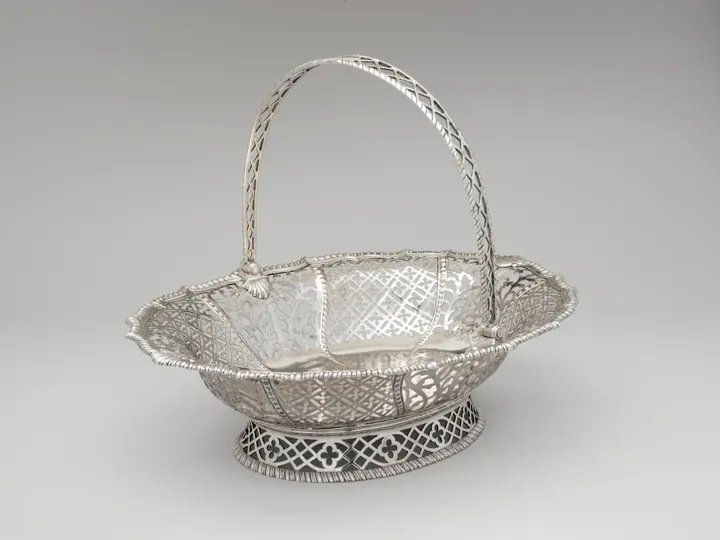
1770–1776
The Metropolitan Museum of Art
« Silver Basket » — scheda di The Metropolitan Museum of Art.
Vedi l’oggetto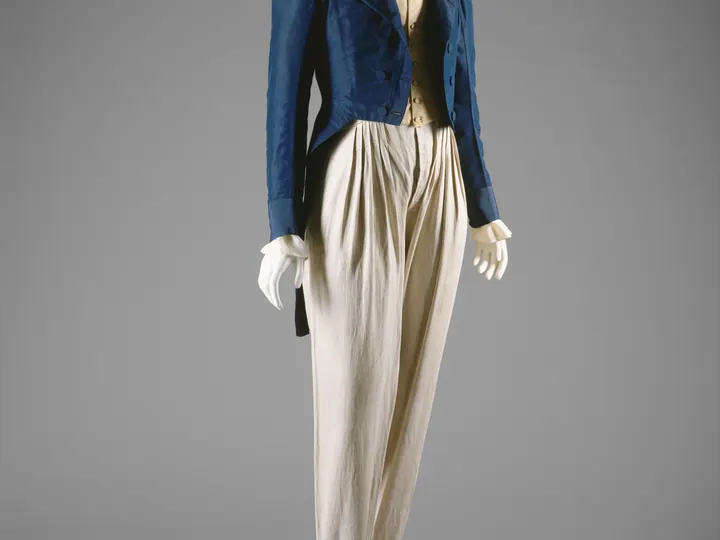
1833
The Metropolitan Museum of Art
« British Coat » — scheda di The Metropolitan Museum of Art.
Vedi l’oggetto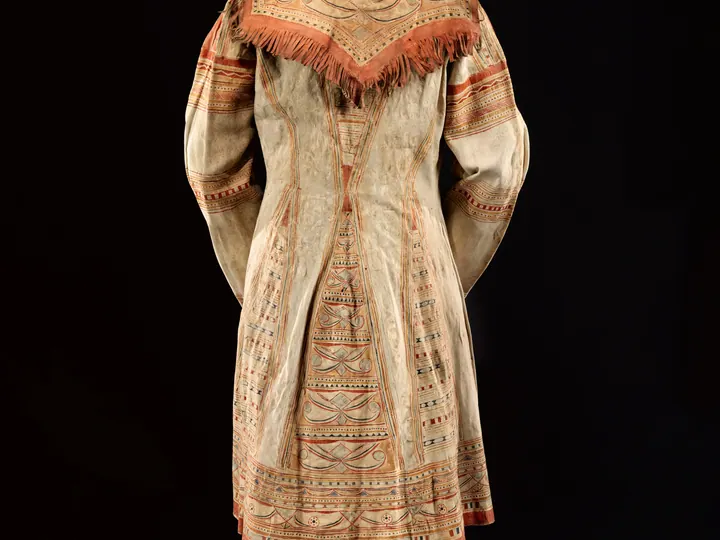
ca. 1820
The Metropolitan Museum of Art
« Innu/Naskapi Man's Coat » — scheda di The Metropolitan Museum of Art.
Vedi l’oggetto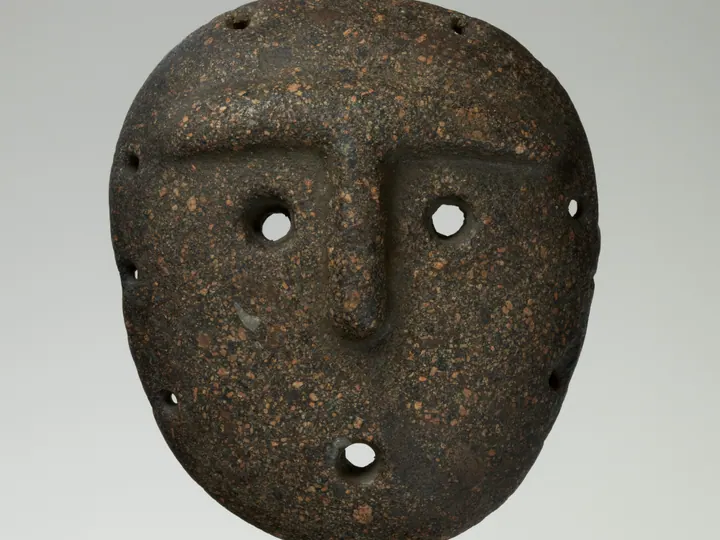
400 BCE–700 CE
The Metropolitan Museum of Art
« Stone Mask » — scheda di The Metropolitan Museum of Art.
Vedi l’oggetto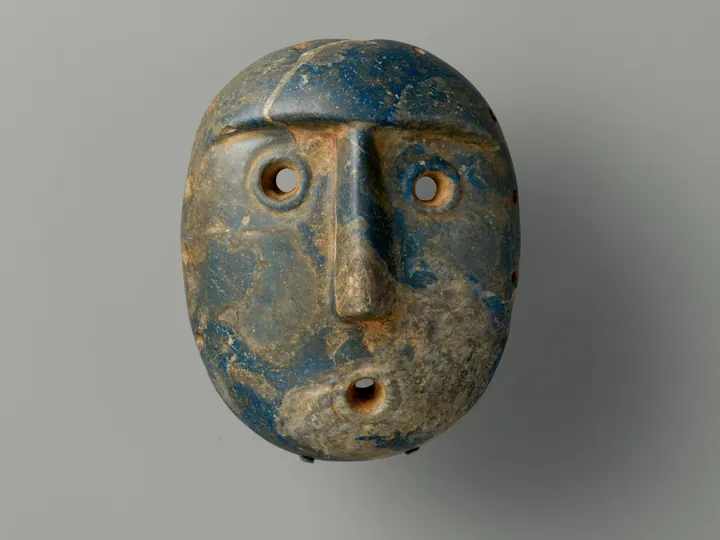
400 BCE–500 CE
The Metropolitan Museum of Art
« Lapis-Lazuli Mask » — scheda di The Metropolitan Museum of Art.
Vedi l’oggetto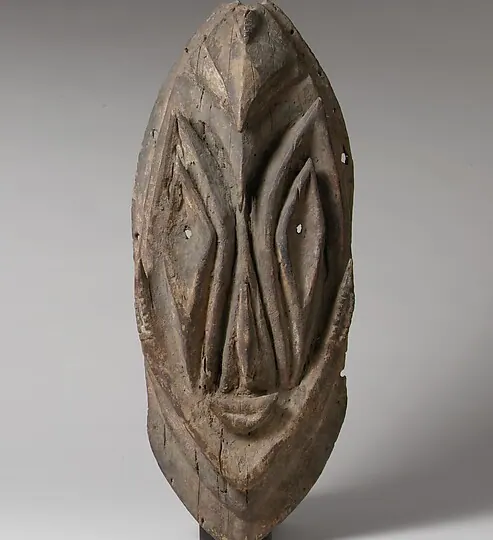
19th–20th century
The Metropolitan Museum of Art
« Wooden Mask » — scheda di The Metropolitan Museum of Art.
Vedi l’oggetto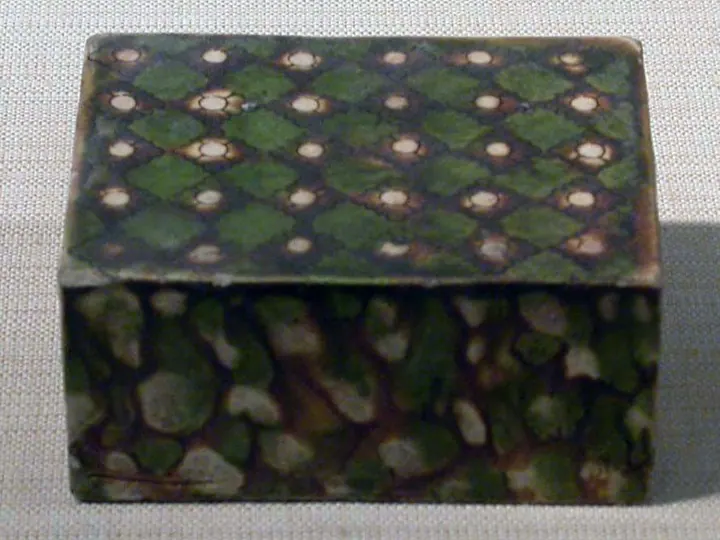
8th–9th century
The Metropolitan Museum of Art
« Earthenware Pillow with Sancai Glaze » — scheda di The Metropolitan Museum of Art.
Vedi l’oggetto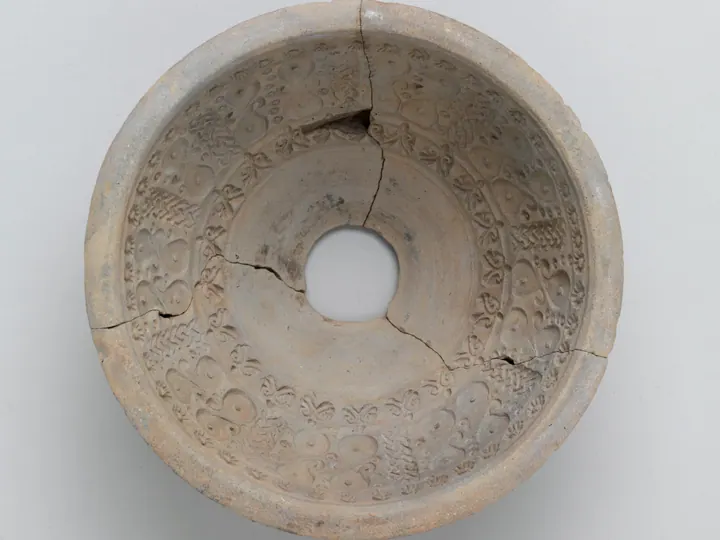
12th century
The Metropolitan Museum of Art
« Pottery Mold » — scheda di The Metropolitan Museum of Art.
Vedi l’oggetto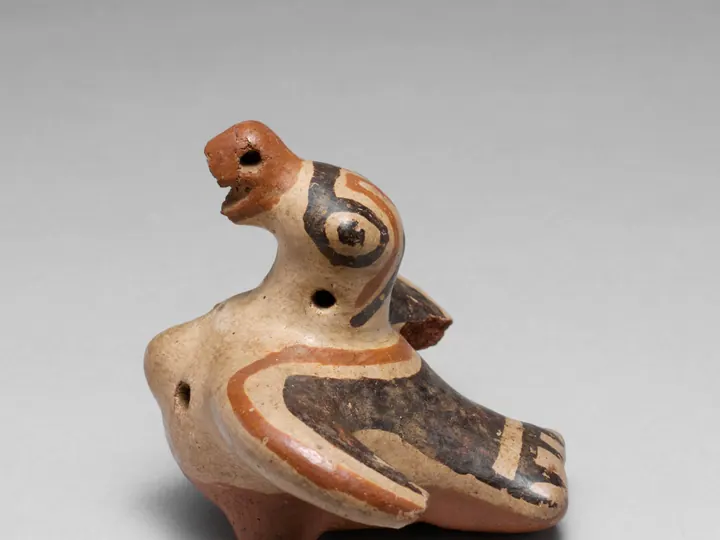
3rd–9th century
The Metropolitan Museum of Art
« Pottery Whistle » — scheda di The Metropolitan Museum of Art.
Vedi l’oggetto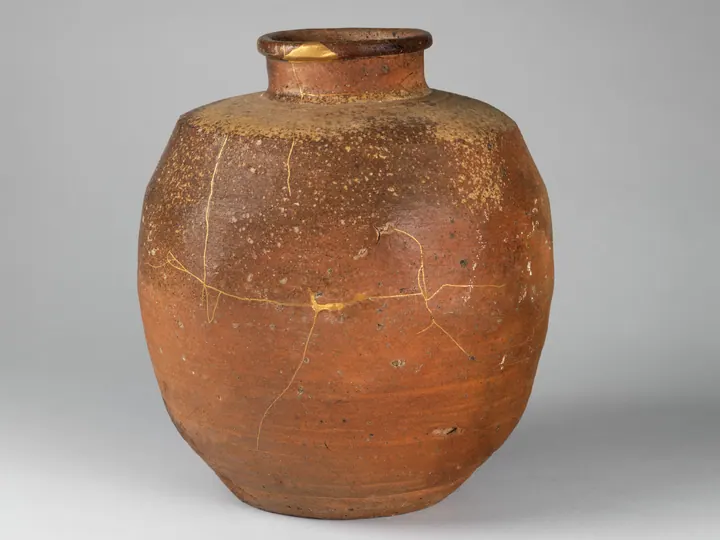
17th century
The Metropolitan Museum of Art
« Shigaraki Tea Jar » — scheda di The Metropolitan Museum of Art.
Vedi l’oggetto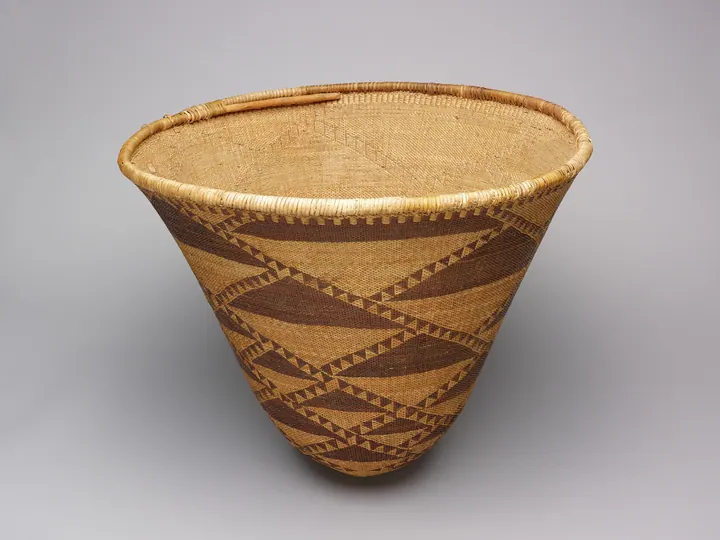
c. 1890
The Art Institute of Chicago
« Burden Basket » — scheda di The Art Institute of Chicago.
Vedi l’oggetto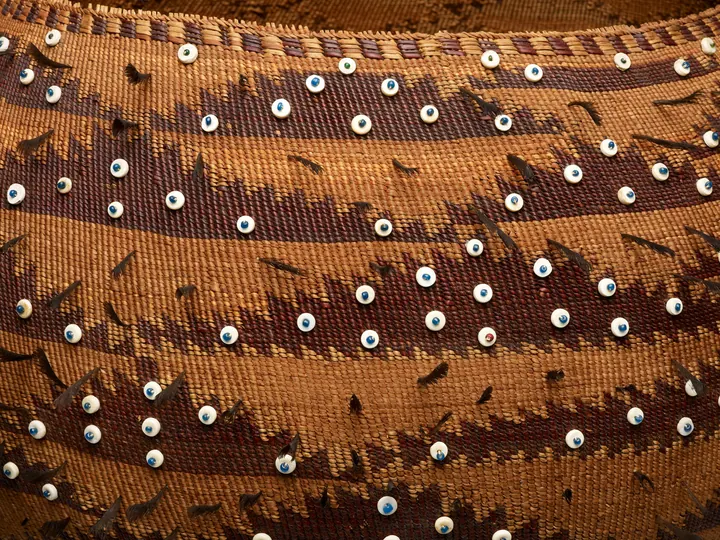
c. 1895
The Art Institute of Chicago
« Wedding Basket » — scheda di The Art Institute of Chicago.
Vedi l’oggetto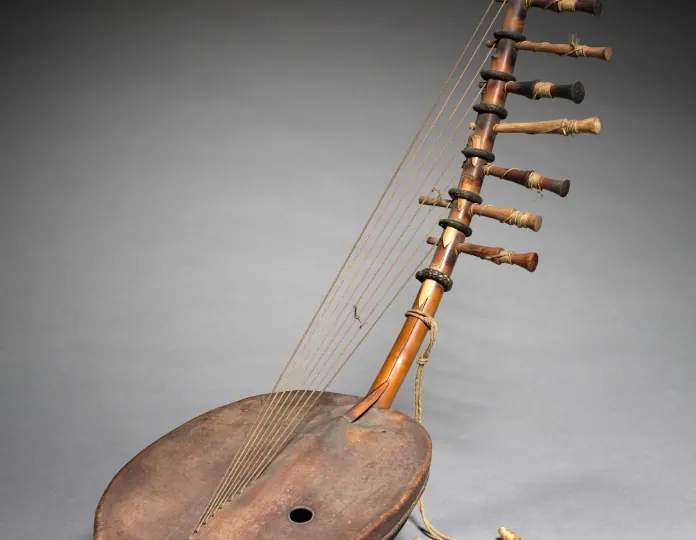
1900s
The Cleveland Museum of Art
« Musical Instrument » — scheda di The Cleveland Museum of Art.
Vedi l’oggetto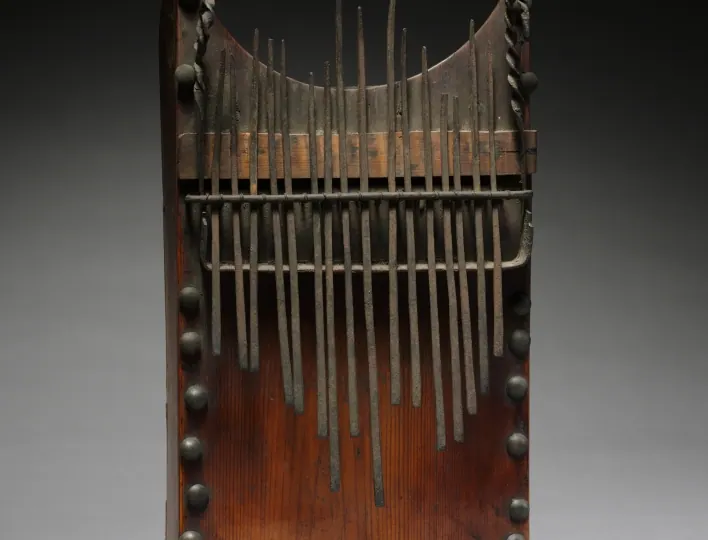
1900s
The Cleveland Museum of Art
« Lamellophone "thumb piano" » — scheda di The Cleveland Museum of Art.
Vedi l’oggetto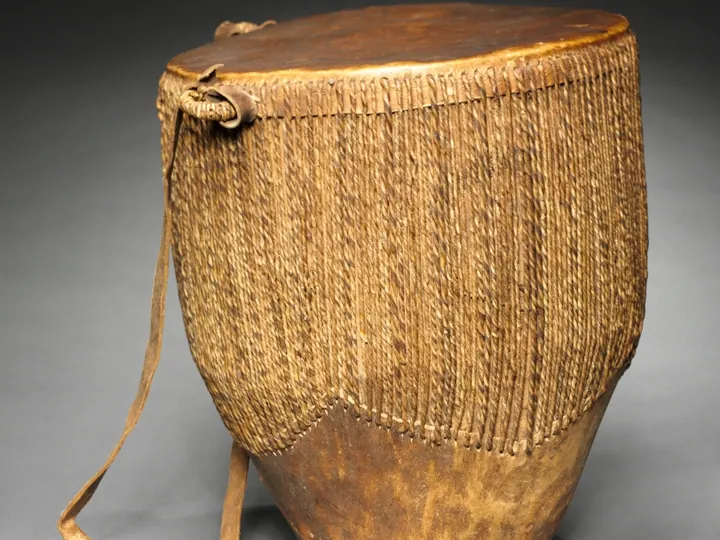
no later than 1928
The Cleveland Museum of Art
« Drum (ngoma) » — scheda di The Cleveland Museum of Art.
Vedi l’oggetto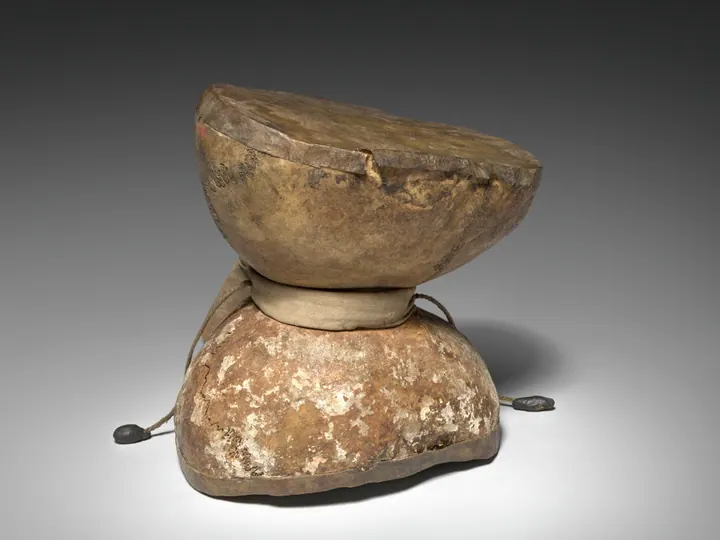
c. 1800
The Cleveland Museum of Art
« Ritual Drum (damaru) » — scheda di The Cleveland Museum of Art.
Vedi l’oggetto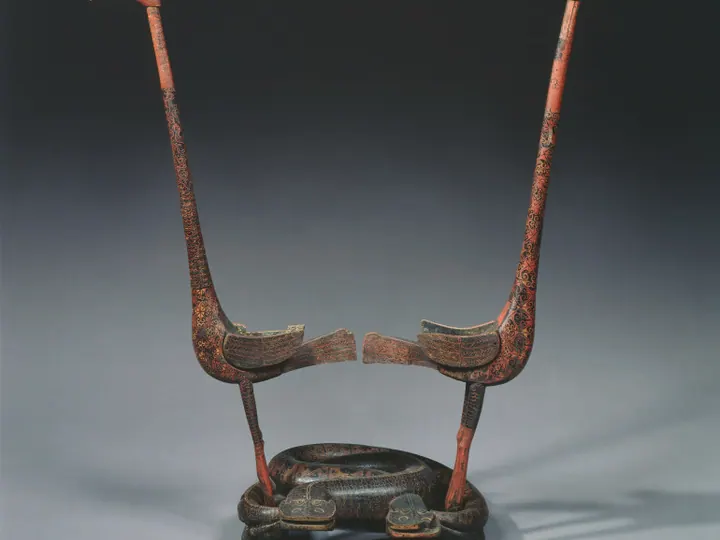
c. 475-221 BCE
The Cleveland Museum of Art
« Cranes and Serpents » — scheda di The Cleveland Museum of Art.
Vedi l’oggetto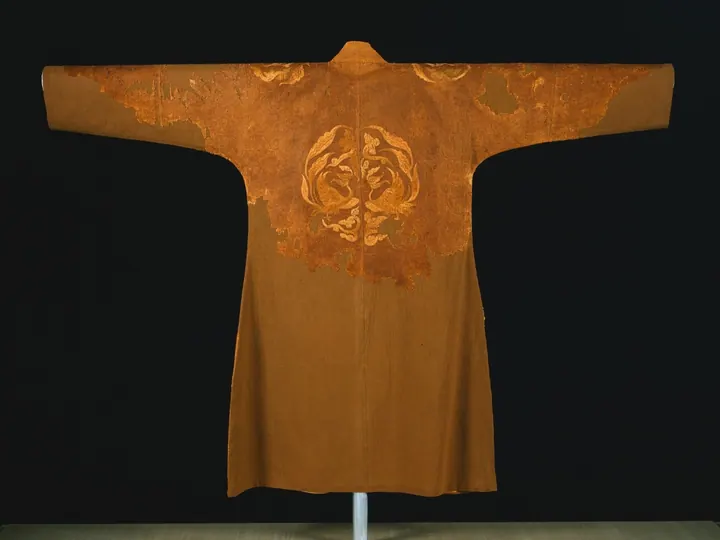
907-1125
The Cleveland Museum of Art
« Woman's Robe » — scheda di The Cleveland Museum of Art.
Vedi l’oggetto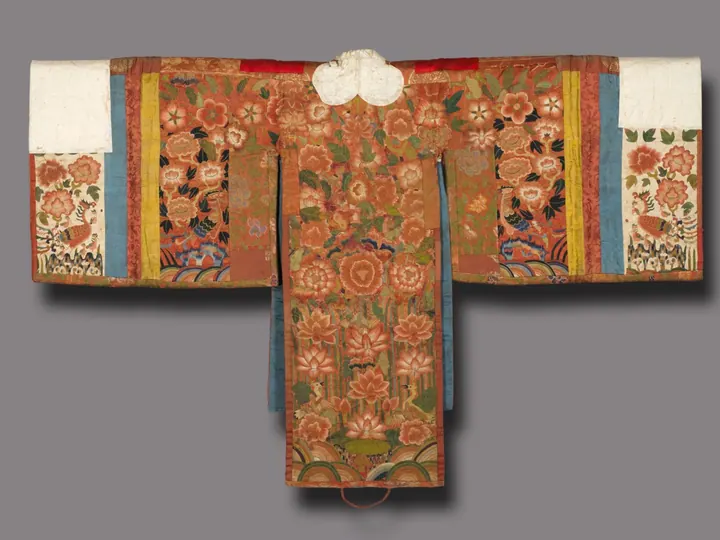
1850-1910
The Cleveland Museum of Art
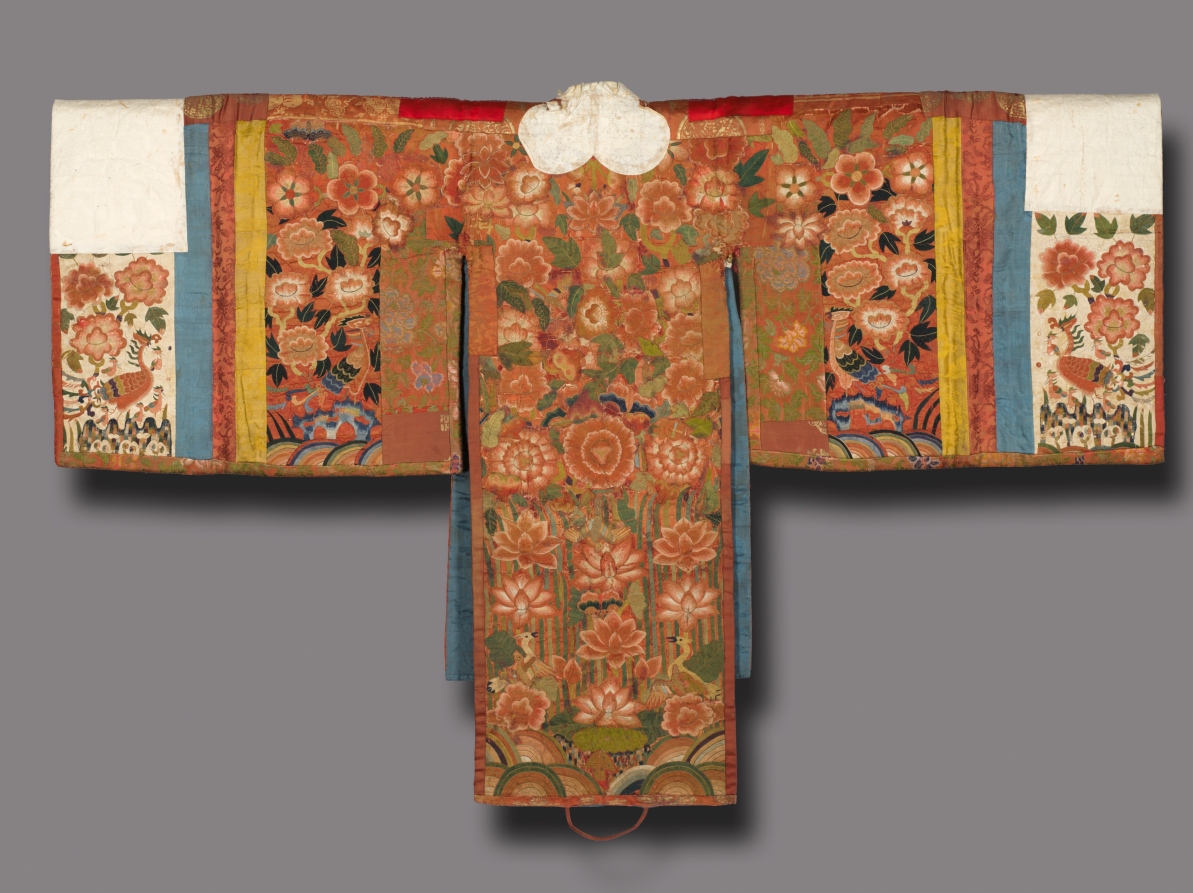
« Bridal Robe (Hwarot) » — scheda di The Cleveland Museum of Art.
Vedi l’oggetto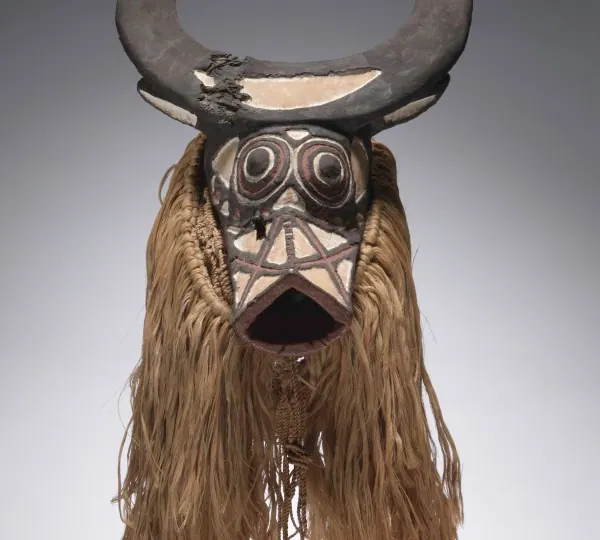
early to mid-20th century
The Cleveland Museum of Art
« Buffalo Mask » — scheda di The Cleveland Museum of Art.
Vedi l’oggetto4 institutions
Curatorial support
WICHF Research & CuratorialTechnology · WICHF Digital Culture LabConnecting Civilizations, Sharing Futures
Chi siamoThe Cleveland Museum of Art
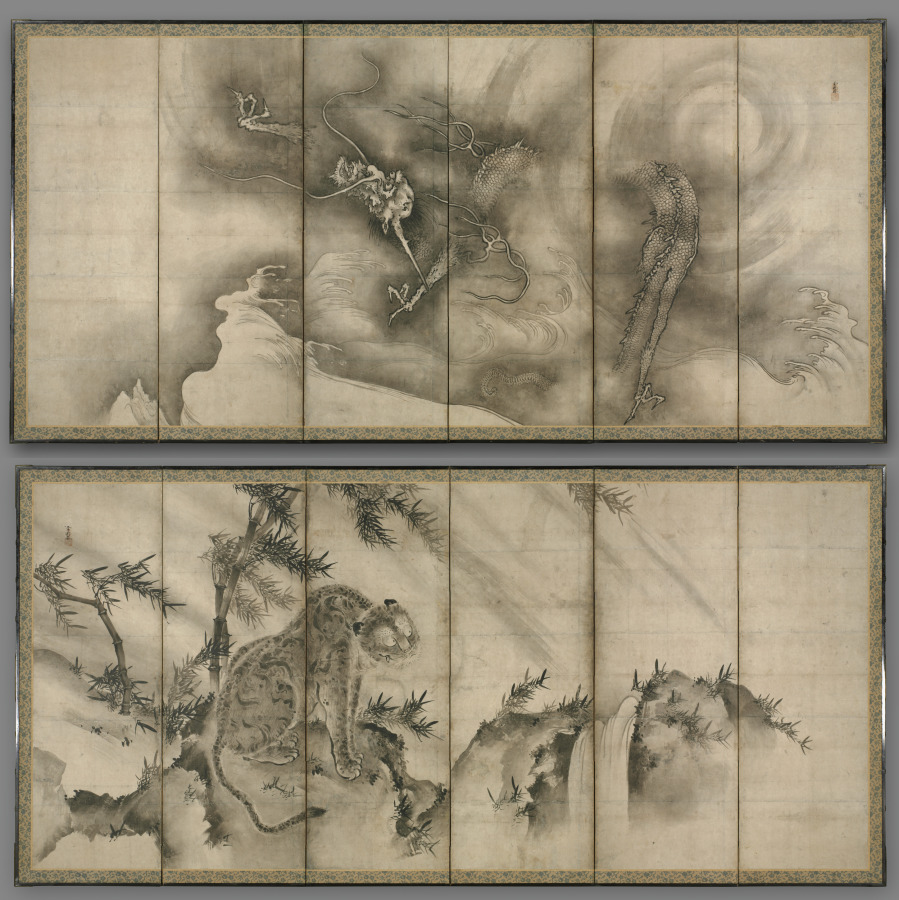
c. 1546–56
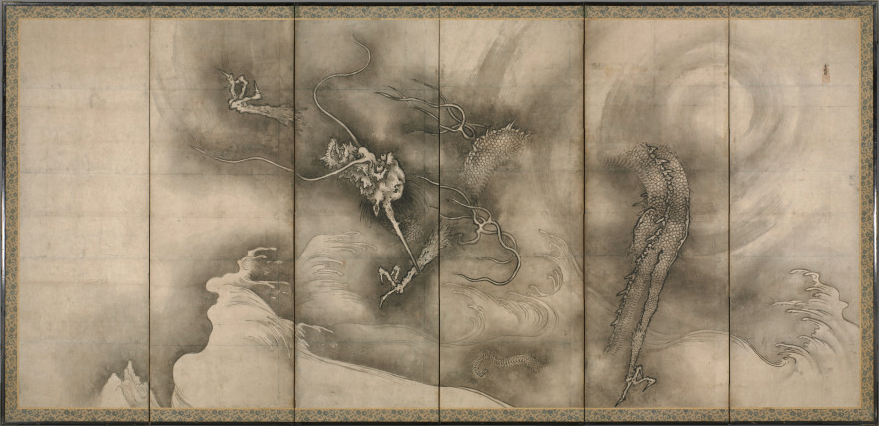
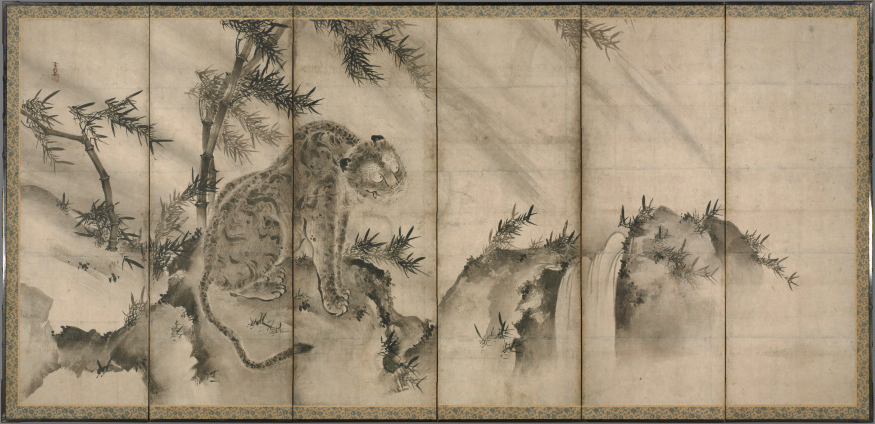
Sesson Shūkei dipinse a inchiostro questa coppia di paraventi a sei pannelli. Il drago emerge dalle nuvole e la tigre appare fra i bambù.
Che cosa rivelano le creature immaginarie del nostro modo di comprendere la natura?
Diritti dell’immagine · CC0 / Open Access
Due inquadrature ritagliate dalla stessa fotografia del museo.
Sul capitolo
In diverse culture ed epoche, le immagini hanno dato forma all’invisibile. Il capitolo osserva come gli artisti ricorrono ad animali, paesaggi e creature mitiche per esprimere idee e interpretare il mondo.
« Hare in roundel » — scheda di The Walters Art Museum.
« Tunic with Felines » — scheda di The Metropolitan Museum of Art.
« Cranes and Serpents » — scheda di The Cleveland Museum of Art.
« Garment Decoration ("Segmentum") with Man Killing Panther » — scheda di The Walters Art Museum.
Una brocca giapponese di Mino in gres smaltato, decorata con fiori di ciliegio.
« The Lost Sheep (?) » — scheda di The Walters Art Museum.
« Panel » — scheda di The Walters Art Museum.
« Buffalo Mask » — scheda di The Cleveland Museum of Art.
Una veste nuziale coreana in seta, ricamata con fiori, uccelli e simboli di buon auspicio.
The Metropolitan Museum of Art
14th century
« Textile Fragment » — scheda di The Metropolitan Museum of Art.
Che cosa rivela un frammento sul tessuto originale e su chi lo ha realizzato?
Diritti dell’immagine · Public Domain / The Met Open Access
Sul capitolo
Segui la struttura del tessuto: i motivi che si ripetono, i cambiamenti di colore e il rapporto tra iscrizioni e ornamenti. Anche un frammento conserva tracce delle scelte degli artigiani.
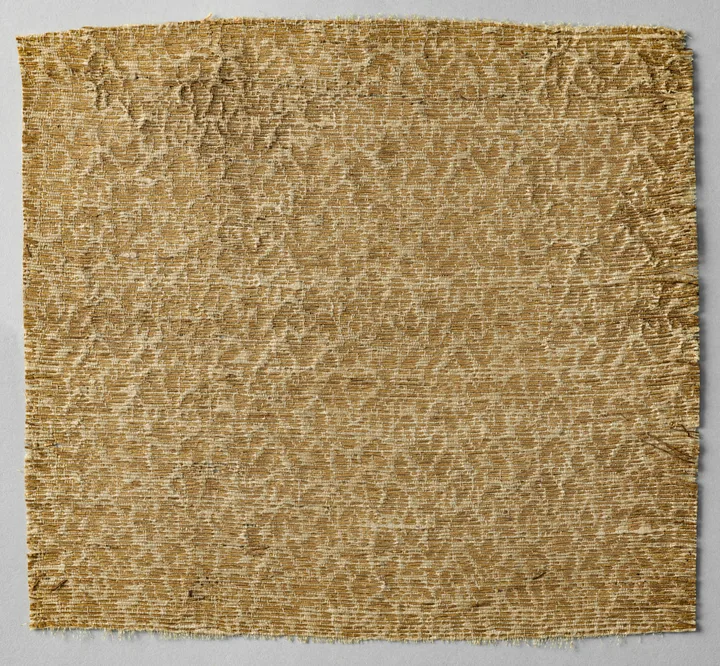
« Textile with Tiny Leaves » — scheda di The Cleveland Museum of Art.
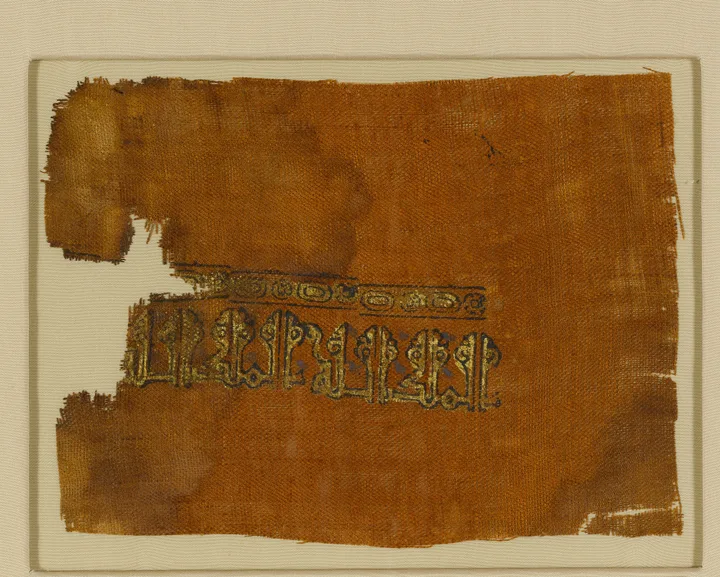
« Textile » — scheda di The Metropolitan Museum of Art.
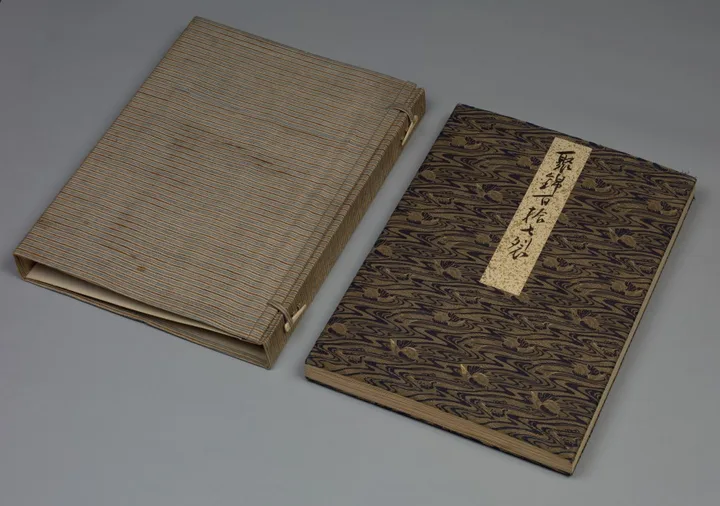
« Album of Textile Samples » — scheda di The Cleveland Museum of Art.
« Sampler » — scheda di The Metropolitan Museum of Art.
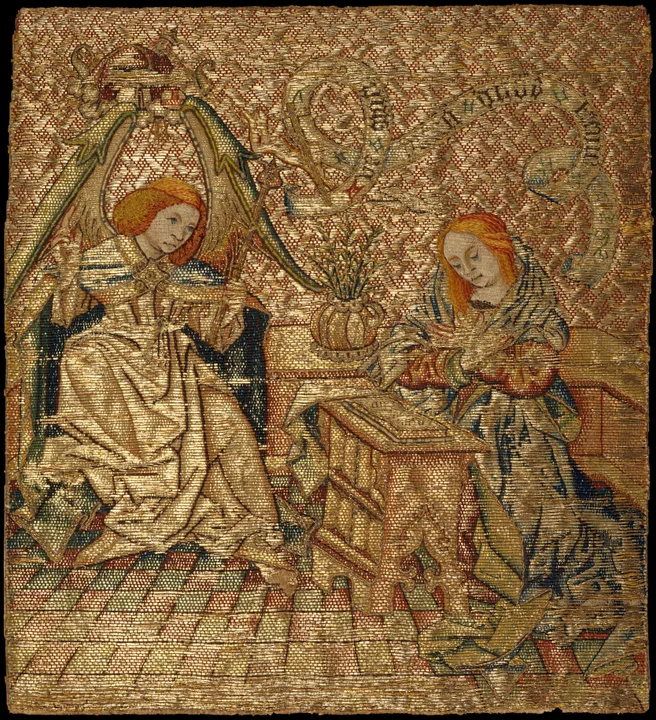
Un ricamo dei Paesi Bassi del XV secolo che raffigura l’Annunciazione con fili colorati.
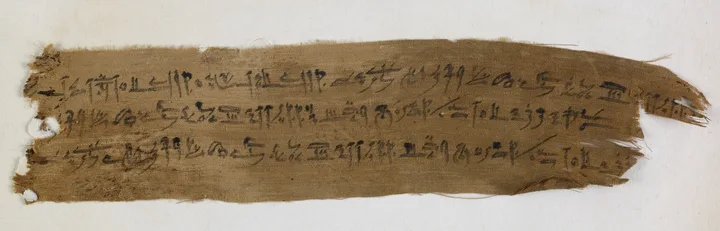
« Mummification Bandage of Userwer » — scheda di The Walters Art Museum.

« Tunic Border Piece » — scheda di The Walters Art Museum.
« Panel » — scheda di The Walters Art Museum.
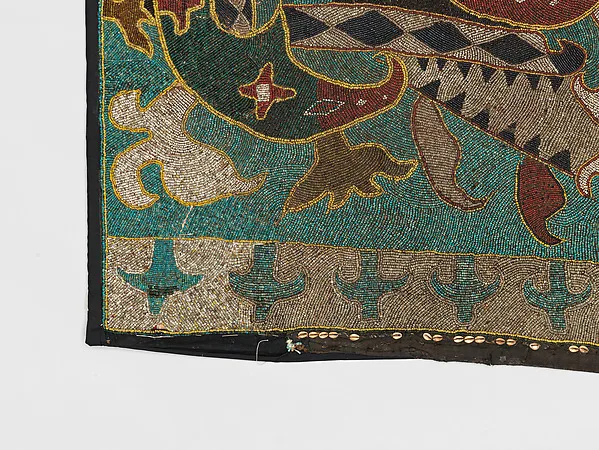
« Wari Tunic Fragment » — scheda di The Metropolitan Museum of Art.
The Metropolitan Museum of Art
600–1000 CE
« Smiling figure (Sonriente) » — scheda di The Metropolitan Museum of Art.
Come fa un oggetto immobile a dare vita a un gesto?
Diritti dell’immagine · Public Domain / The Met Open Access
Sul capitolo
La ceramica può conservare un gesto fugace in un materiale durevole. Osserva l’espressione e la postura della figura e confronta altri modi di dare forma al movimento attraverso l’argilla.
Una brocca giapponese di Mino in gres smaltato, decorata con fiori di ciliegio.
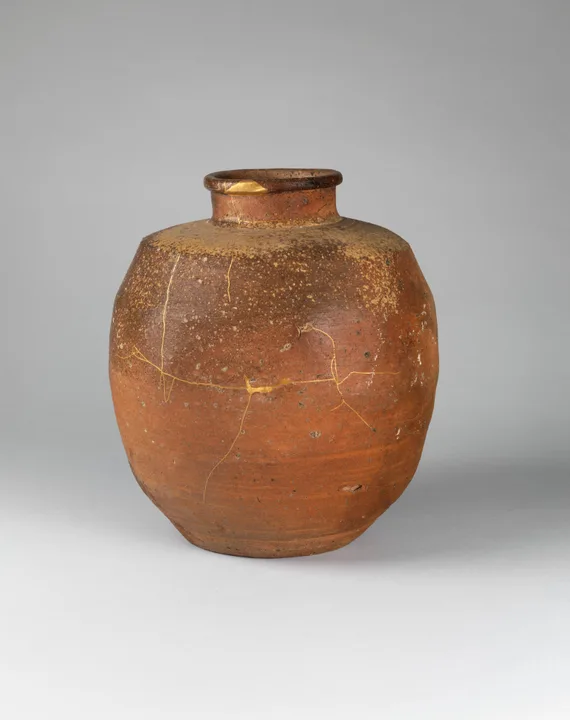
« Shigaraki Tea Jar » — scheda di The Metropolitan Museum of Art.
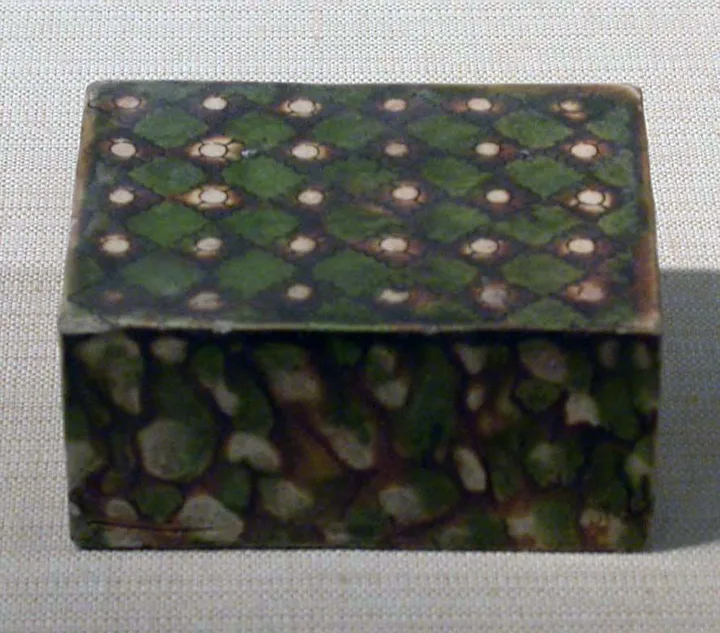
« Earthenware Pillow with Sancai Glaze » — scheda di The Metropolitan Museum of Art.
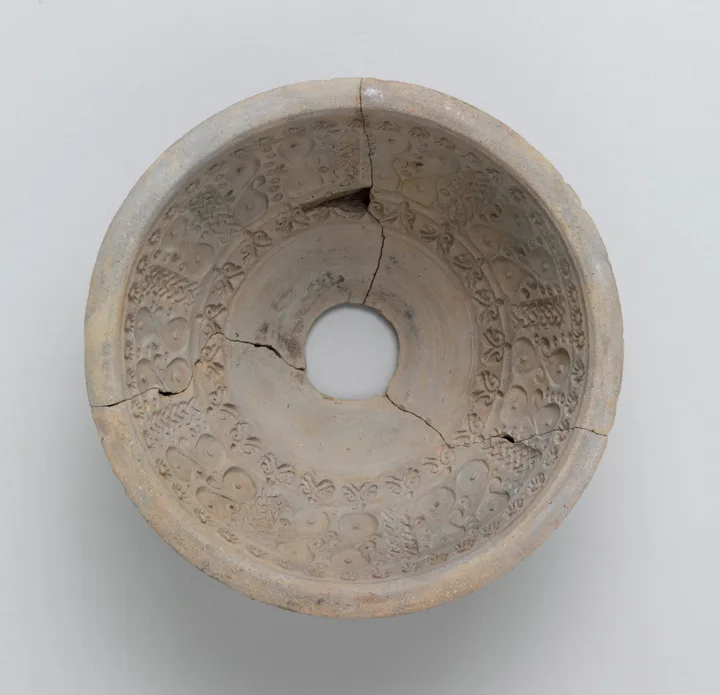
« Pottery Mold » — scheda di The Metropolitan Museum of Art.
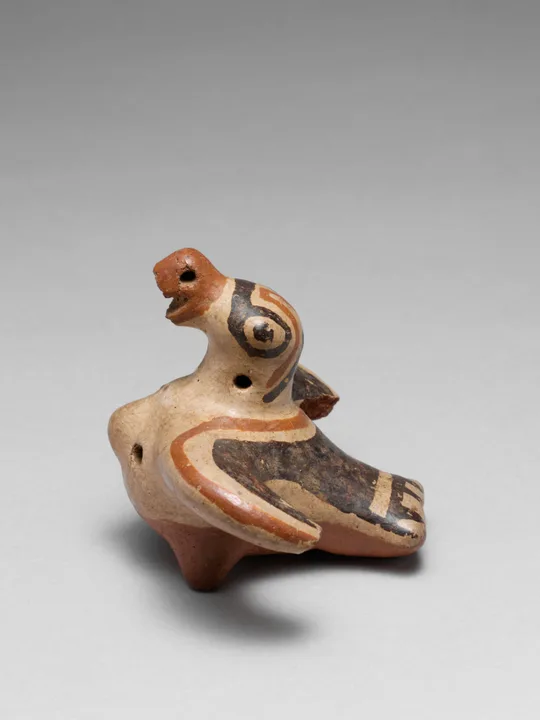
« Pottery Whistle » — scheda di The Metropolitan Museum of Art.
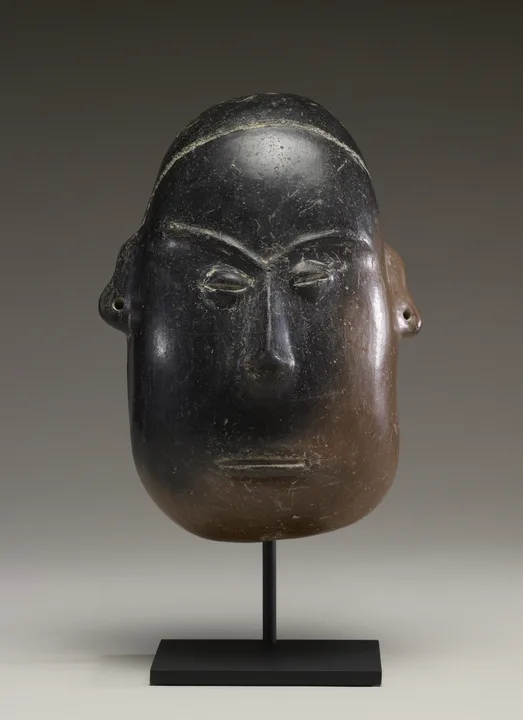
« Face Mask » — scheda di The Walters Art Museum.
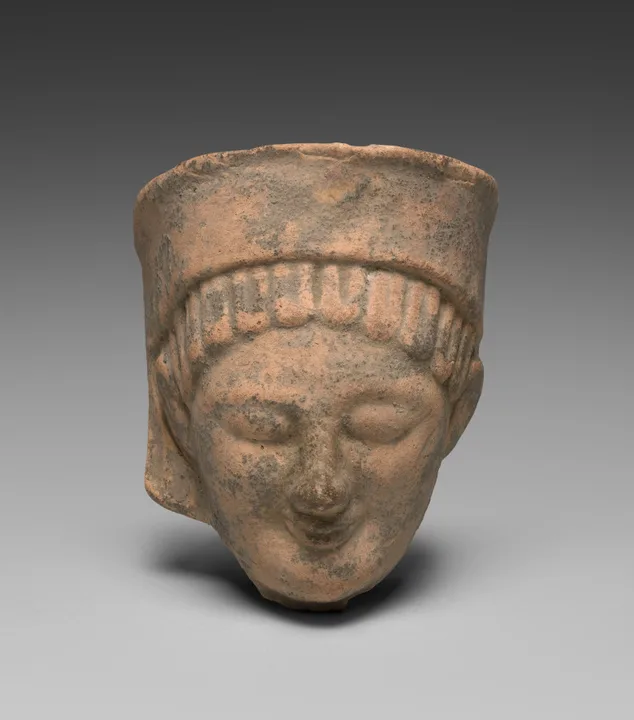
« Mask » — scheda di The Cleveland Museum of Art.
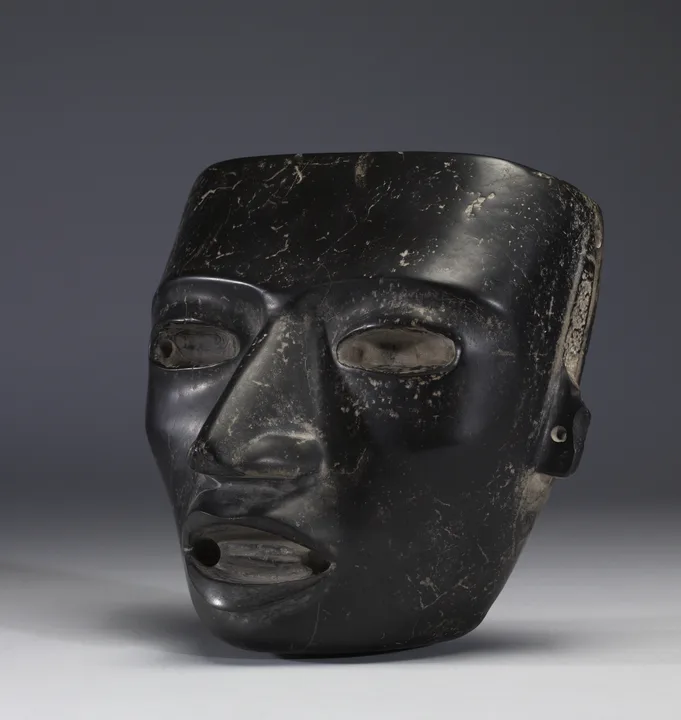
« Face Plaque » — scheda di The Walters Art Museum.
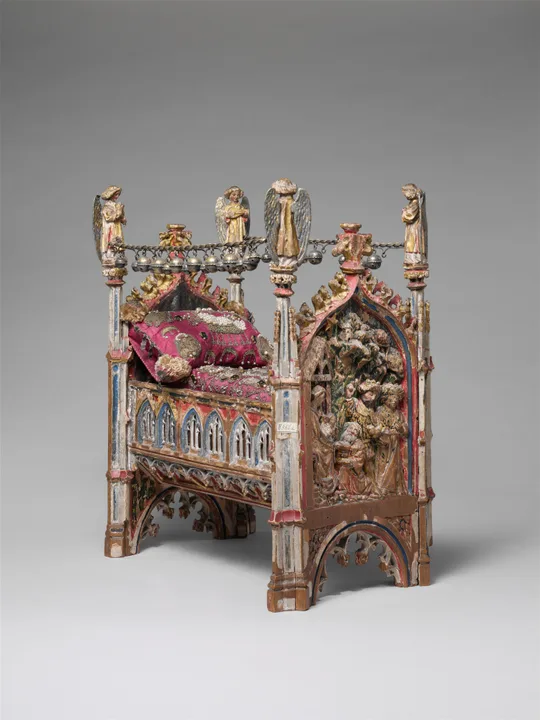
« Crib of the Infant Jesus » — scheda di The Metropolitan Museum of Art.
The Metropolitan Museum of Art
1780
Una coppia di timpani in argento realizzata ad Hannover da Franz Peter Bundsen nel 1780.
Che cosa possono dirci la forma e i materiali di uno strumento sul suo suono?
Diritti dell’immagine · Public Domain / The Met Open Access
Sul capitolo
Uno strumento conservato in un museo spesso rimane in silenzio. Le sue dimensioni, i suoi materiali e la sua costruzione suggeriscono chi poteva suonarlo e in quali occasioni.
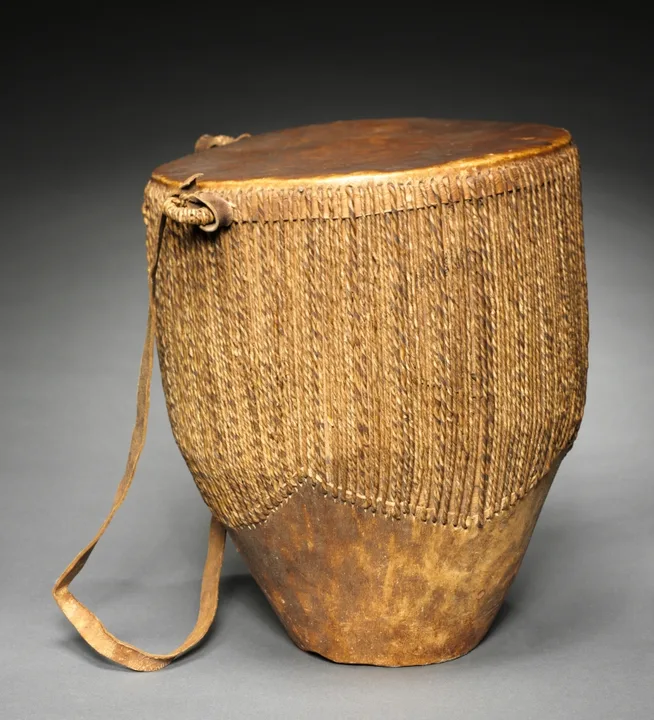
Un tamburo dell’Africa orientale chiamato ngoma, associato a cerimonie, danze e comunicazione.
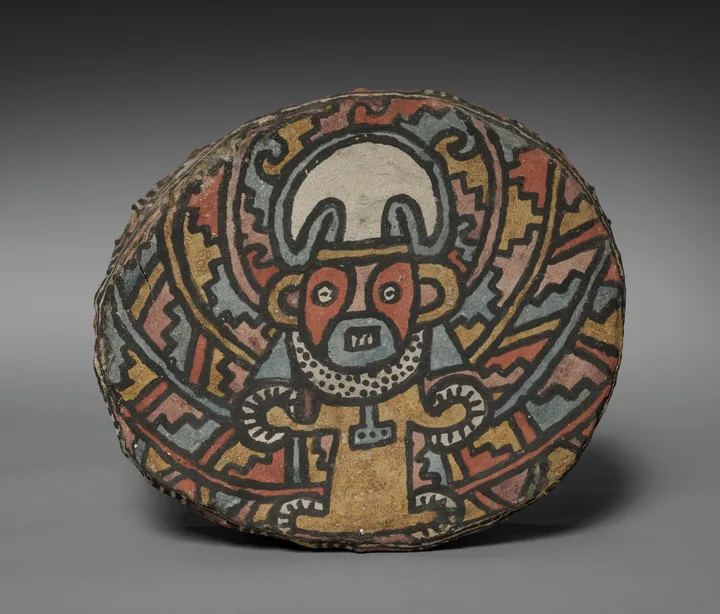
« Painted Drum » — scheda di The Cleveland Museum of Art.
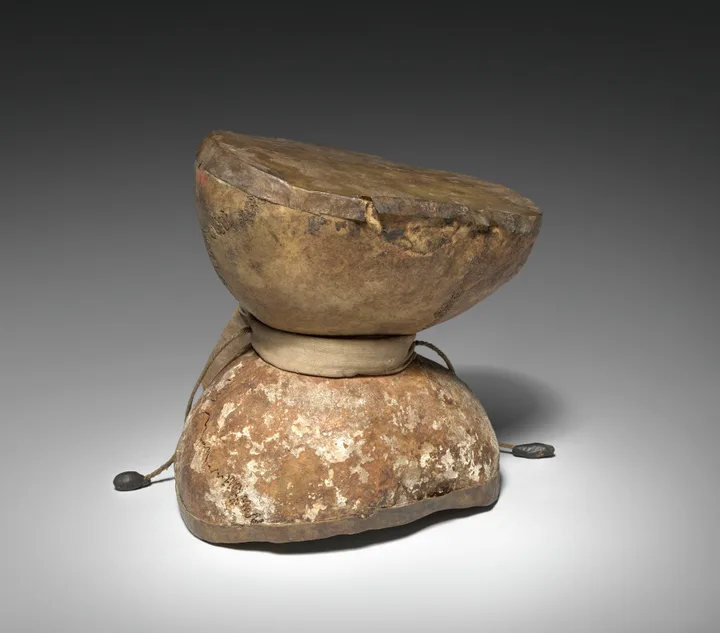
« Ritual Drum (damaru) » — scheda di The Cleveland Museum of Art.
« Cranes and Serpents » — scheda di The Cleveland Museum of Art.
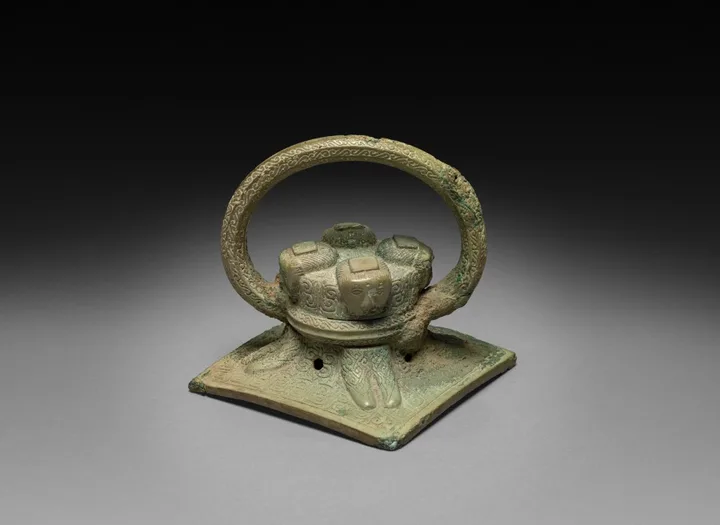
« Handle of a Jiangu Drum » — scheda di The Cleveland Museum of Art.
« Pottery Whistle » — scheda di The Metropolitan Museum of Art.
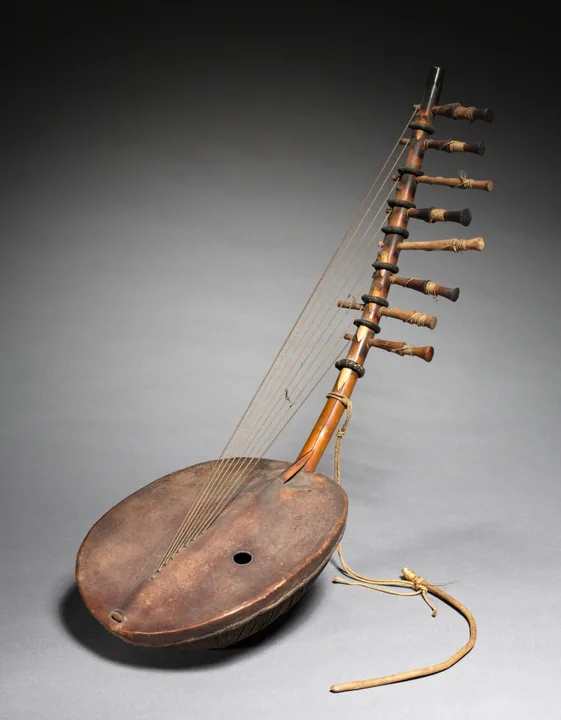
« Musical Instrument » — scheda di The Cleveland Museum of Art.
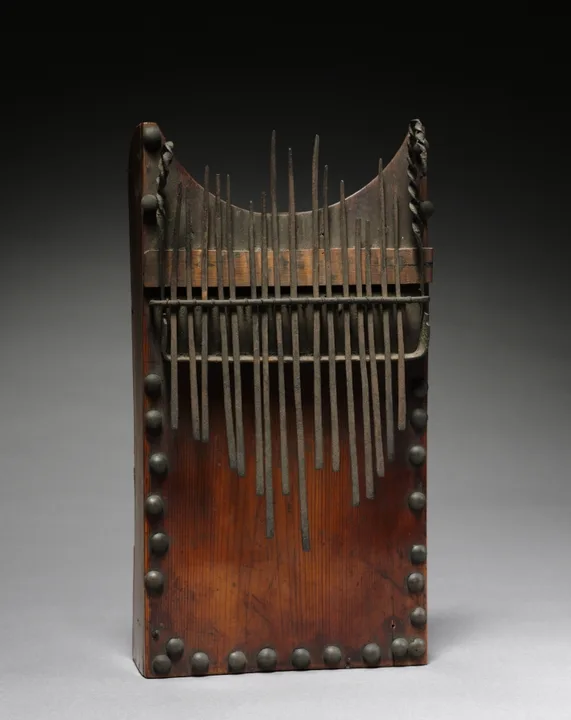
« Lamellophone "thumb piano" » — scheda di The Cleveland Museum of Art.
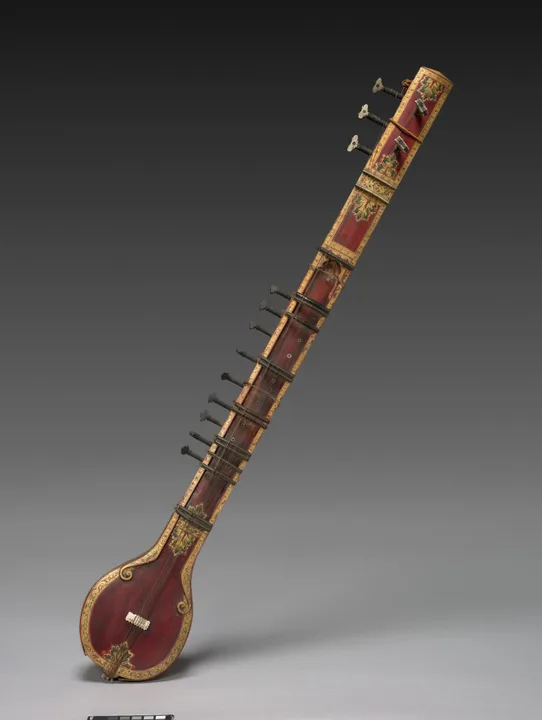
« Sitar » — scheda di The Cleveland Museum of Art.
The Cleveland Museum of Art
1850–1910
« Bridal Robe (Hwarot) » — scheda di The Cleveland Museum of Art.
In che modo la materia e i ricami segnalano un’occasione speciale?
Diritti dell’immagine · CC0 / Cleveland Museum of Art Open Access
Sul capitolo
Colori, taglio e cuciture hanno uno scopo pratico e possono anche trasmettere significati. Il capitolo guarda alle tecniche che passano tra artigiani, chi indossa gli abiti e le generazioni.
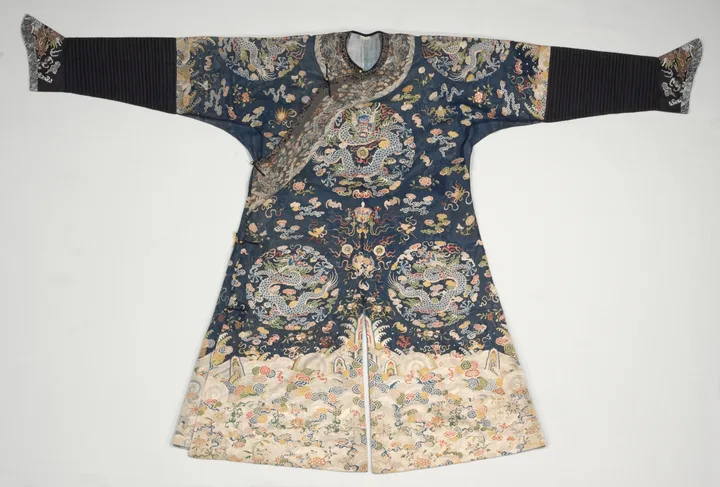
« Mandarin Robe » — scheda di The Cleveland Museum of Art.
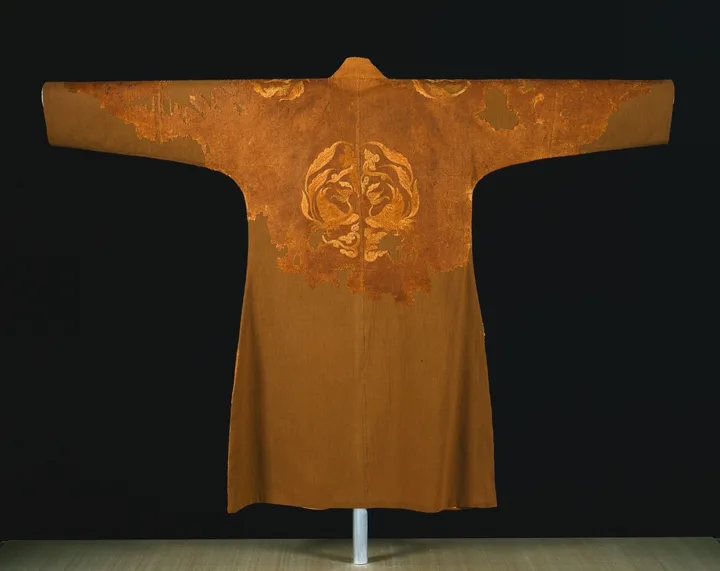
« Woman's Robe » — scheda di The Cleveland Museum of Art.
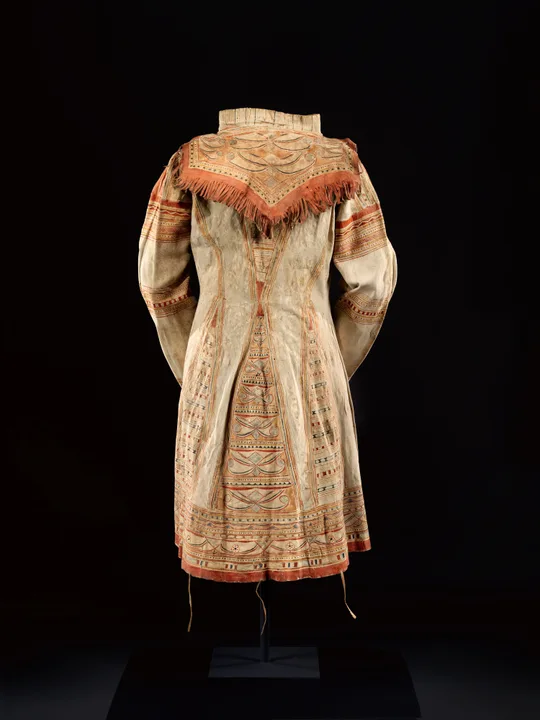
« Innu/Naskapi Man's Coat » — scheda di The Metropolitan Museum of Art.
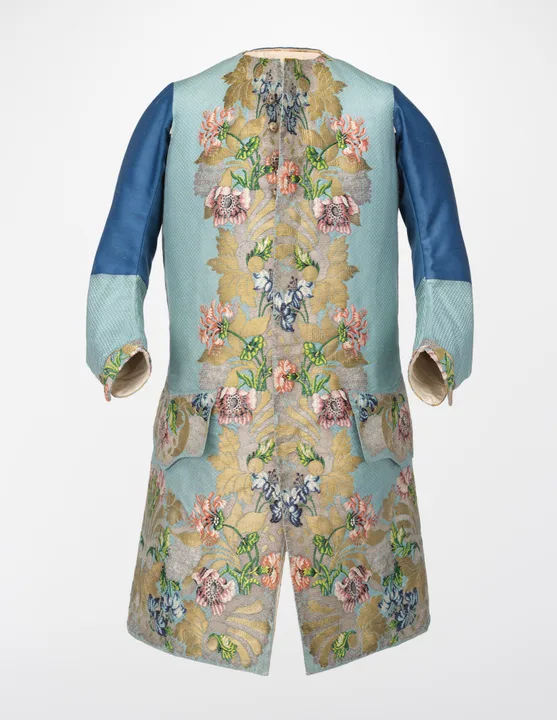
Un panciotto britannico del XVIII secolo che conserva dettagli di taglio e decorazione.
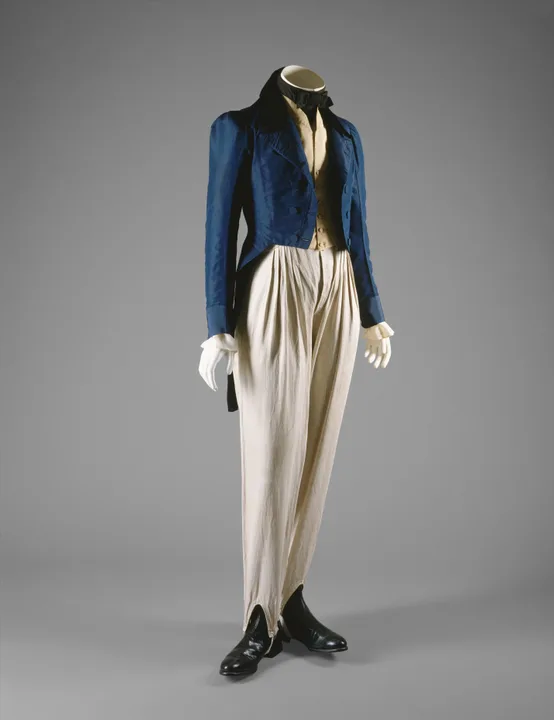
« British Coat » — scheda di The Metropolitan Museum of Art.
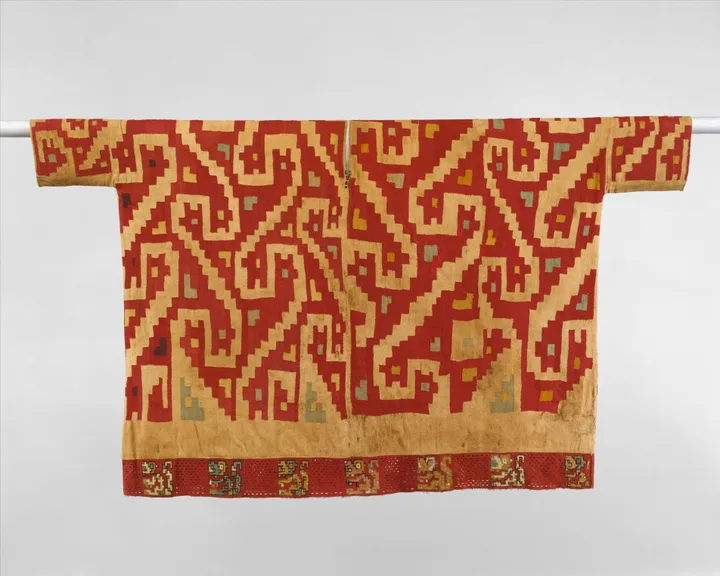
« Moche Shirt » — scheda di The Metropolitan Museum of Art.
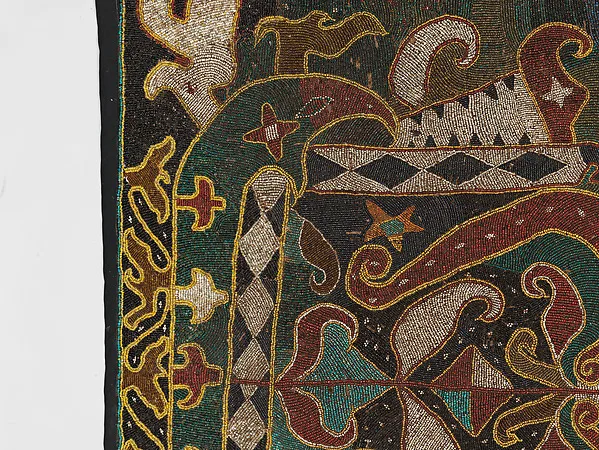
« Wari Tunic » — scheda di The Metropolitan Museum of Art.
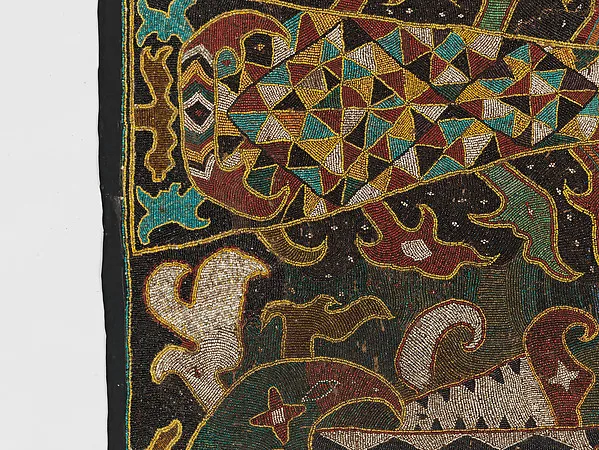
« Miniature Tabard » — scheda di The Metropolitan Museum of Art.
« Tunic Border Piece » — scheda di The Walters Art Museum.
The Cleveland Museum of Art
1200–300 a.C.
Una maschera olmeca della Mesoamerica (Messico), scolpita nella giada.
Che cosa si può imparare confrontando volti fatti con materiali diversi?
Diritti dell’immagine · CC0 / Cleveland Museum of Art Open Access
Sul capitolo
Una maschera conserva un volto, ma non tutti i contesti in cui è apparsa. Occhi, bordi e materiali offrono indizi e sollevano nuove domande.
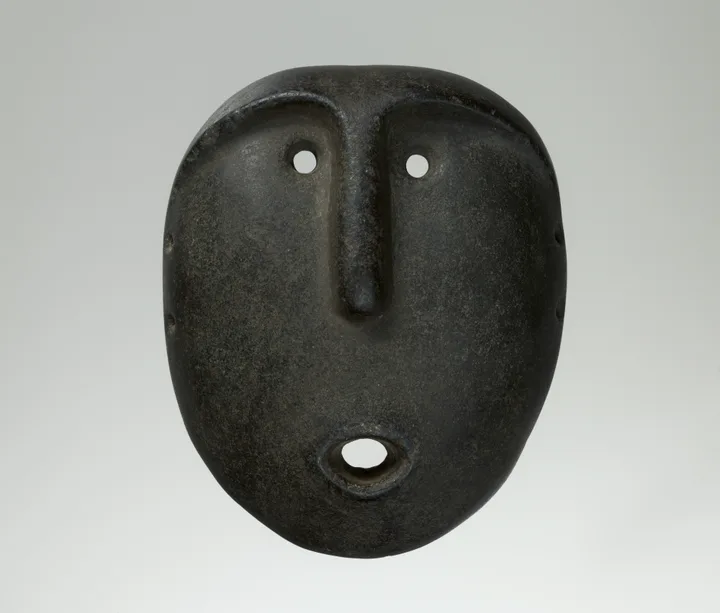
Una maschera scolpita in pietra che mette in risalto occhi, naso e bocca.
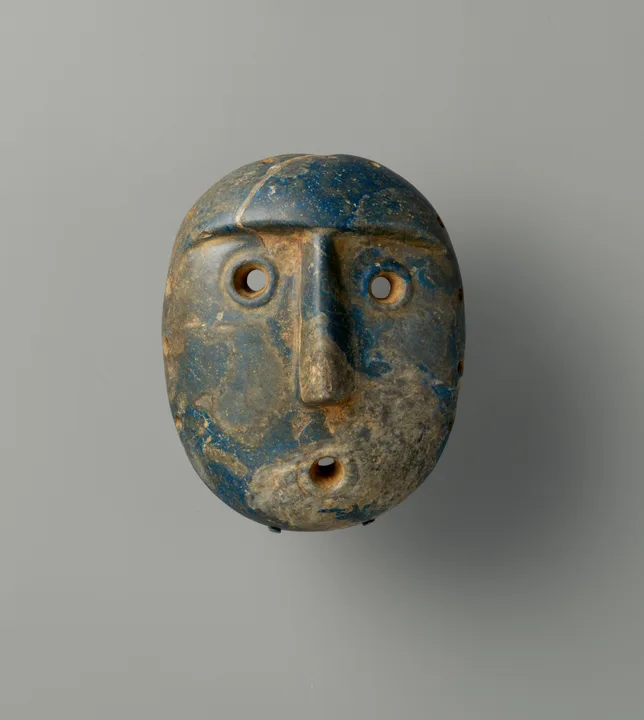
« Lapis-Lazuli Mask » — scheda di The Metropolitan Museum of Art.
« Face Plaque » — scheda di The Walters Art Museum.
« Face Mask » — scheda di The Walters Art Museum.
« Mask » — scheda di The Cleveland Museum of Art.
« Buffalo Mask » — scheda di The Cleveland Museum of Art.
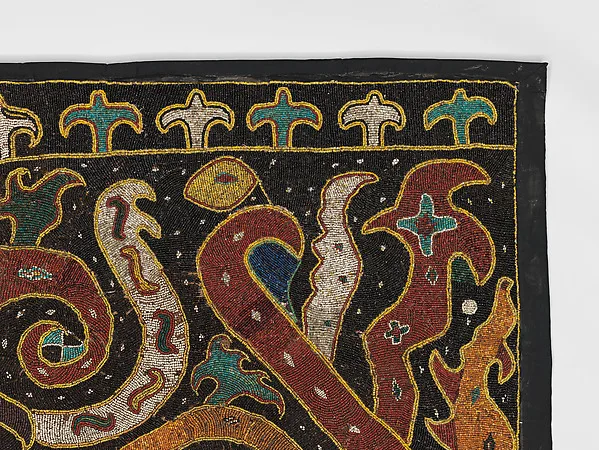
« Buffalo Mask » — scheda di The Metropolitan Museum of Art.
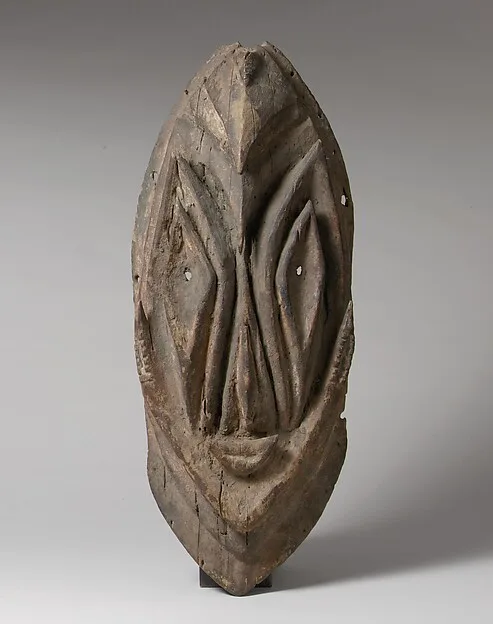
« Wooden Mask » — scheda di The Metropolitan Museum of Art.
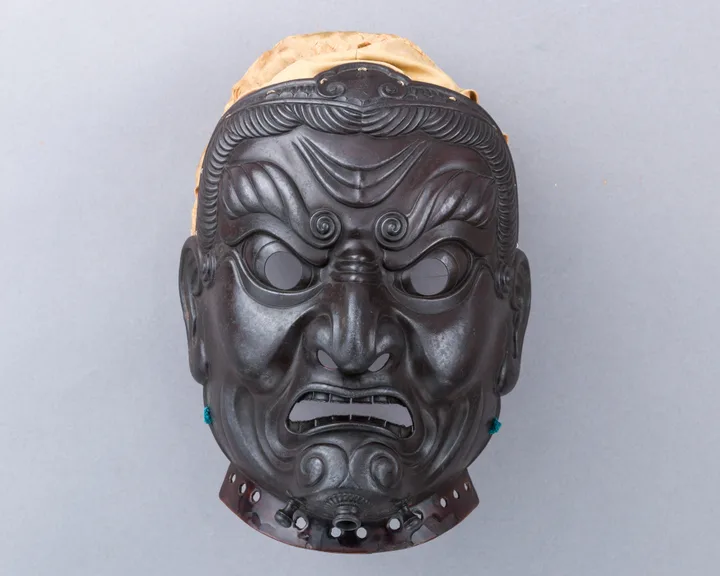
« Armor Mask (Mempo) » — scheda di The Metropolitan Museum of Art.